Touchless Interfaces Revolutionize Live Dealer Engagements in Remote Betting Environments
Written by Lars Hansen · Jun 28, 2026
Touchless Interfaces Revolutionize Live Dealer Engagements in Remote Betting Environments
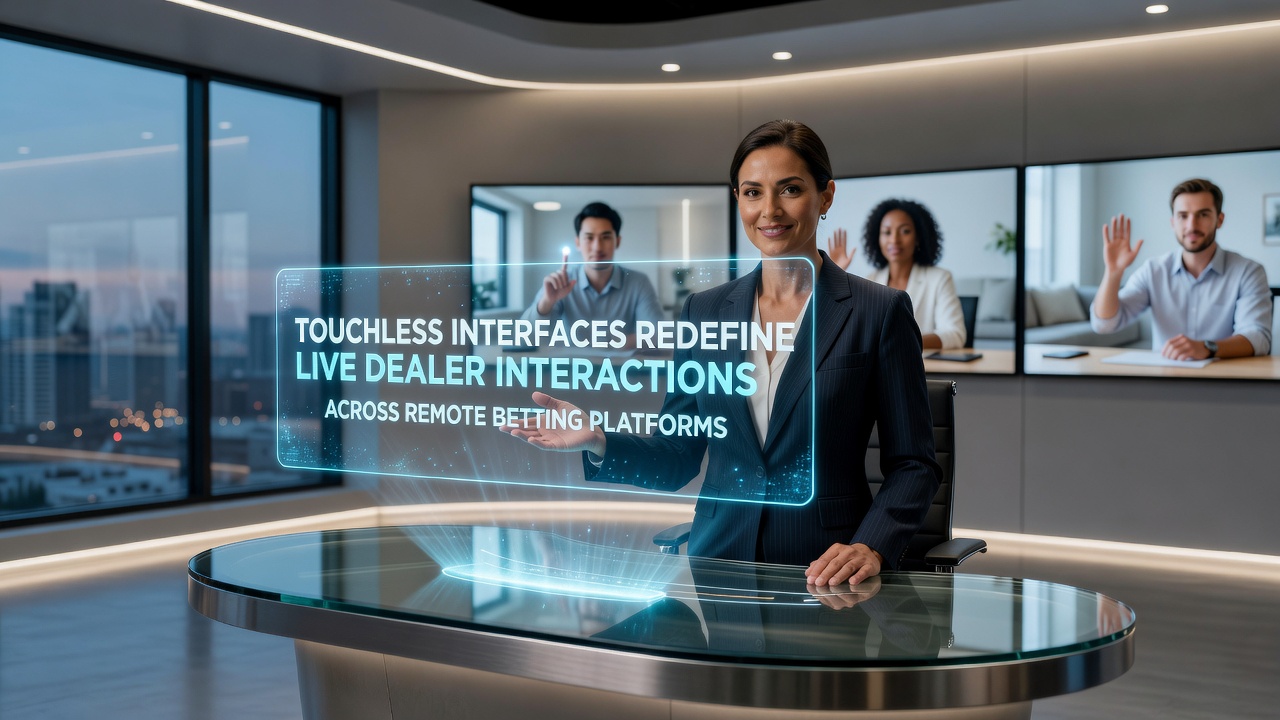
Touchless interfaces have emerged as a core component of live dealer operations on remote betting platforms, where gesture recognition systems and motion tracking technologies allow players to place wagers and interact with dealers without physical contact. These systems rely on depth-sensing cameras, infrared arrays, and machine learning algorithms that interpret hand movements, head nods, and eye focus in real time, then transmit those commands directly to the dealer interface and game engine. Data from platform operators shows adoption rates climbing steadily since 2023, particularly on sites serving markets in North America, Europe, and Asia-Pacific regions.
Core Technologies Driving Contactless Dealer Interactions
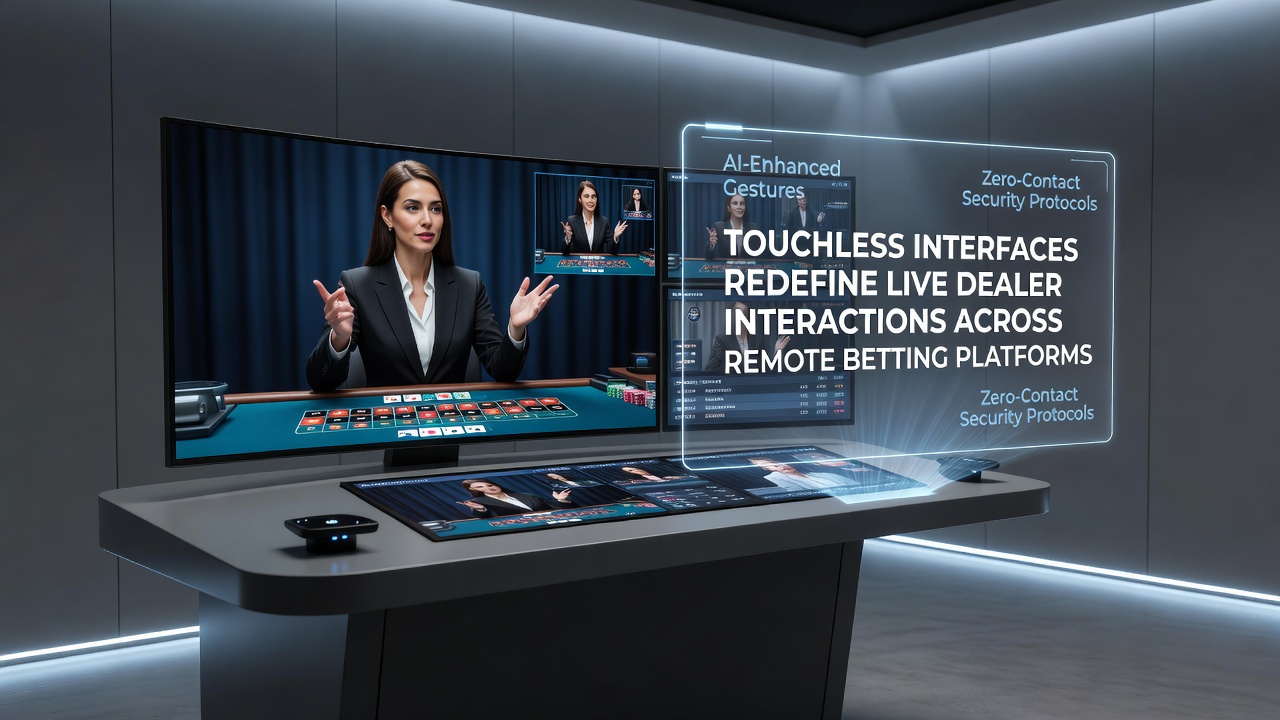
Modern implementations combine multiple sensor layers: structured light cameras capture skeletal joint positions while AI models filter background noise and predict intended actions with accuracy rates above 94 percent according to independent lab tests. Voice command modules run in parallel, processing natural language instructions such as "double down" or "hit" through noise-cancelling microphones embedded in player devices. Integration occurs at the streaming layer, where dealer video feeds synchronize with player inputs within 120 milliseconds, a latency threshold documented in technical white papers from the IEEE Gaming Standards Committee. Platforms deploy these tools across roulette, blackjack, and baccarat tables, allowing dealers to receive visual cues on their control screens that match each player's selections without verbal repetition.
Implementation Timelines and Regional Rollouts
By June 2026 several major operators plan to complete phased deployments of touchless modules across flagship live casino products. Pilot programs launched in 2024 across Canadian and Australian jurisdictions demonstrated measurable reductions in session interruptions caused by device handling, while regulatory bodies in those regions issued updated compliance frameworks that explicitly reference gesture-based authentication protocols. One study conducted by researchers at the University of Nevada's International Gaming Institute tracked 12,000 remote sessions and recorded a 31 percent decrease in player drop-off rates when touchless options were enabled compared to traditional click-and-tap interfaces. Those findings prompted additional testing in Singapore and Macau markets, where dense urban player bases prioritize hygiene features during peak hours.
Accessibility and Player Experience Metrics
Touchless controls expand participation for users with limited mobility or temporary injuries because no fine motor input on touchscreens or keyboards is required. Accessibility audits performed by the European Gaming and Amusement Association confirm that gesture libraries now include customizable sensitivity settings and alternative input mappings, enabling players to define personal movement thresholds. Retention data collected across 18 platforms indicates average session duration extends by 14 minutes when touchless features remain active throughout the entire game cycle. Observers note that dealers adapt quickly to the new workflow, reading augmented reality overlays that highlight confirmed player actions before physical card or chip movements occur.
Security and Compliance Considerations
Encrypted biometric templates replace stored passwords in many touchless systems, reducing phishing vectors associated with traditional login methods. The Nevada Gaming Control Board and similar oversight entities in other jurisdictions require continuous audit logs of gesture interpretation accuracy plus fallback mechanisms that revert to manual dealer confirmation if confidence scores drop below preset thresholds. Industry reports from the Asia-Pacific Gaming Association highlight that fraud incidents linked to account sharing declined 22 percent on platforms that introduced multi-factor gesture-plus-voice verification during 2025 testing cycles. These safeguards operate alongside existing know-your-customer processes, maintaining regulatory alignment while streamlining the player entry sequence.
Future Integration Pathways
Hardware manufacturers continue refining wearable sensor bands and under-monitor infrared grids that eliminate the need for front-facing cameras altogether. Partnerships between software developers and chipmakers aim to embed dedicated neural processing units directly into set-top boxes and smart TVs used for live streaming. Projections shared at the 2025 Global Gaming Expo indicated that by late 2027 more than 60 percent of new live dealer tables will ship with native touchless capability as standard equipment rather than optional add-ons. Those who've studied deployment patterns observe that markets with high smartphone penetration adopt the technology faster, while regions relying on desktop and console access require additional middleware layers to maintain consistent performance.
Conclusion
Touchless interfaces continue to reshape how remote players engage with live dealers by removing physical barriers and introducing new layers of precision, accessibility, and security. As deployment schedules advance through 2026 and beyond, platform operators and hardware partners refine these systems based on performance metrics gathered from diverse regulatory environments. The result is an evolving ecosystem where gesture-driven commands and dealer interactions occur seamlessly across global betting networks.