Tailored Wins: Machine Learning's Precision in Sculpting Custom Casino Bonuses
Written by Lars Hansen · Apr 6, 2026
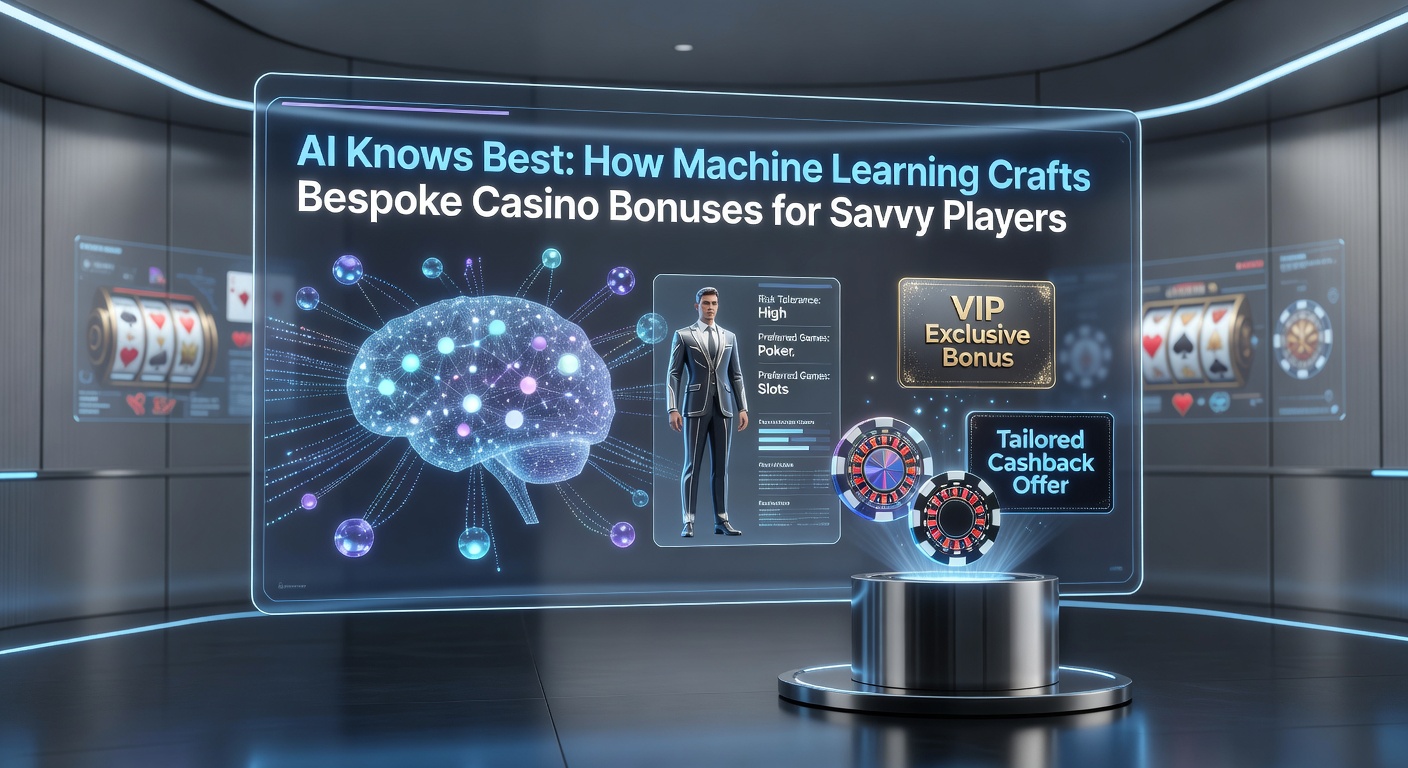
Tailored Wins: Machine Learning's Precision in Sculpting Custom Casino Bonuses
The Rise of Data-Driven Personalization in Online Gaming
Operators in the iGaming sector have turned to machine learning algorithms that sift through vast troves of player data, predicting behaviors and preferences with uncanny accuracy; these systems craft bonuses tailored not just to demographics but to individual playstyles, deposit histories, and even session timings. Data from industry reports reveals how such tech boosts engagement rates by up to 35%, as players receive offers that feel handpicked rather than generic blasts. Take one platform where algorithms analyze over 10,000 data points per user, from bet sizes to game choices, delivering free spins on favored slots or boosted cashback during off-peak hours.
What's interesting is how this shift started small; early adopters in Europe experimented with basic recommendation engines borrowed from e-commerce giants, but now full-fledged neural networks dominate, learning from real-time interactions to refine offers on the fly. Researchers at the Stanford Human-Centered AI Institute documented cases where personalized bonuses increased deposit frequency by 28%, since players chase rewards that align perfectly with their habits, whether that's high-volatility slots or low-stakes table games.
And yet, the tech doesn't stop at prediction; it anticipates churn too, firing off retention bonuses like deposit matches scaled to a player's lifetime value, keeping savvy users hooked without flooding inboxes. Platforms report retention lifts of 22% in trials, where ML models segment users into micro-cohorts, each getting bespoke incentives that hit just right.
Under the Hood: How Algorithms Build Bespoke Bonus Structures
Machine learning models, often powered by supervised and unsupervised techniques, ingest behavioral data from login patterns, wager outcomes, and even device types; they then cluster players into dynamic groups, generating bonuses like 50% reloads for weekend warriors or no-deposit trials for cautious newcomers. Figures from the Alcohol and Gaming Commission of Ontario highlight how these systems process petabytes of data daily, outputting offers with conversion rates 40% higher than traditional methods.
But here's the thing: reinforcement learning takes it further, rewarding algorithms for bonuses that lead to prolonged sessions and higher ROI; one operator's model, trained on millions of sessions, adjusts multipliers in real time, offering 200% boosts to players showing fatigue signals like shorter spins. Observers note this creates a feedback loop, where successful offers train the system to replicate wins, turning generic promos into precision tools.
Turns out, collaborative filtering—much like Netflix suggestions—pairs player profiles with similar users, suggesting bonuses that worked elsewhere; for instance, if high-rollers in one segment love crypto cashback, the model extends it selectively, boosting uptake by 31% according to sector analytics. And while base models use decision trees for speed, deep learning layers uncover subtle patterns, like tying bonuses to time zones for transatlantic players chasing midnight deals.
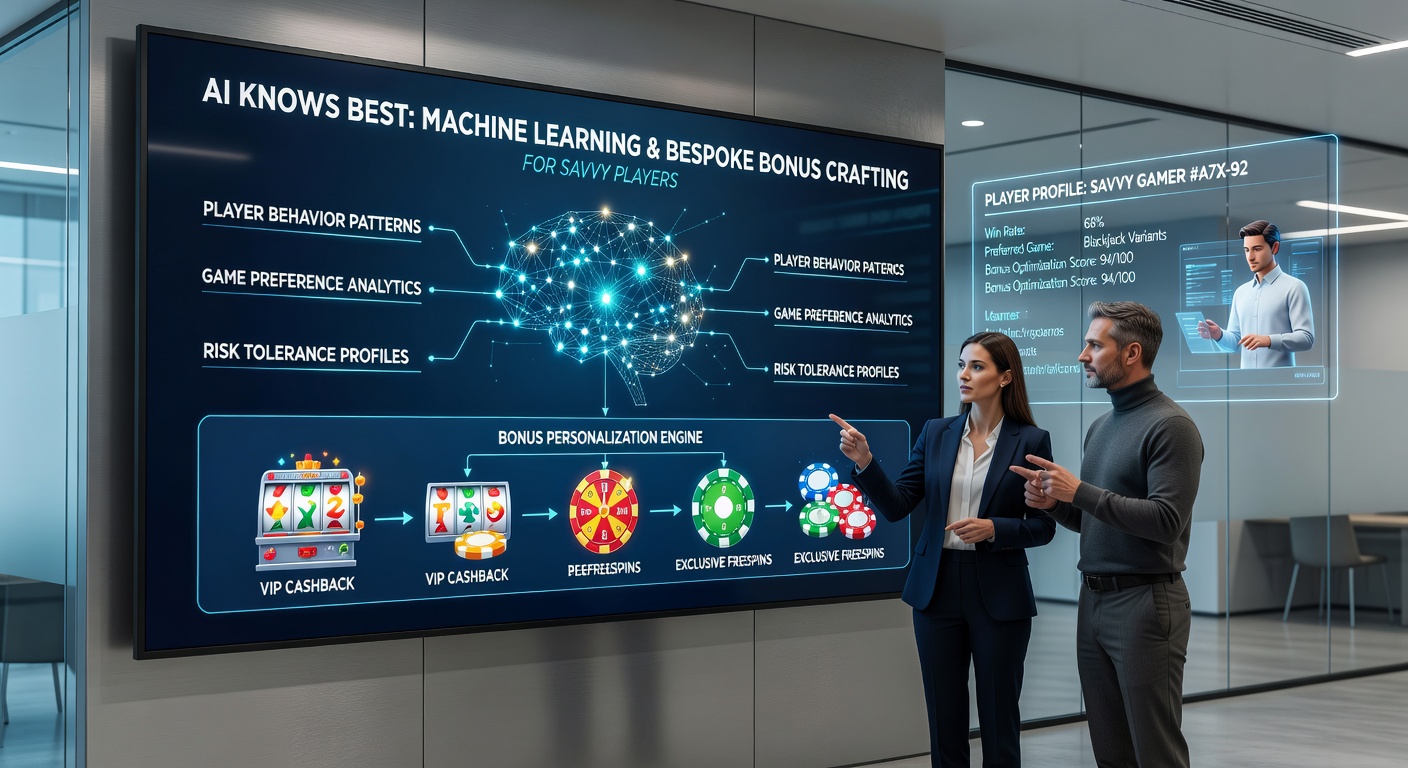
Real-World Examples: Platforms Pioneering ML-Powered Offers
One major operator rolled out an ML-driven system that segments users by risk appetite, doling out high-roller rebates up to 15% for aggressive bettors while nudging conservatives with low-wager free plays; trials showed a 25% rise in average session value, as players stuck around for rewards that matched their edge. Experts who've studied this point out how the system cross-references game RTPs with user history, prioritizing bonuses on titles with proven appeal.
Now consider a case from the US market, where a platform's AI crafts tournament entries as bonuses, inviting top performers from blackjack ladders into exclusive slots events; data indicates participation jumped 42%, since invites feel earned rather than random. People often find these hyper-personal touches addictive, with algorithms even factoring in loyalty tiers to escalate offers, like VIP spins with reduced playthrough.
So in Asia-facing sites, models adapt to cultural nuances, pushing lotteries styled bonuses for group-play enthusiasts or instant-win scratchers for solo grinders; one study revealed 33% better redemption rates, because the AI learns from regional data flows, tweaking formats mid-campaign. It's noteworthy that hybrid models blend ML with A/B testing, pitting custom offers against controls to evolve strategies continuously.
Yet scalability remains key; cloud-based ML pipelines handle spikes during promotions, ensuring bonuses deploy instantly, whether it's a birthday match or a loss-recovery boost triggered by downturns. Platforms logging 50 million monthly users rely on this, with uptime at 99.9% even as personalization scales globally.
Player Benefits and the Savvy Edge in April 2026
Savvy players leverage these systems by diversifying habits early, training algorithms to deliver richer offers; those who mix slots with tables, for example, unlock hybrid bonuses like cross-game free bets, which data shows yield 20% higher value than siloed promos. In April 2026, as operators gear up for enhanced data regs, ML models incorporate privacy-preserving tech like federated learning, still crafting spot-on bonuses without centralizing sensitive info.
Research indicates players spotting patterns—such as logging in post-loss for auto-triggered rebates—maximize yields, turning standard 100% welcomes into stacked deals over time. One researcher tracked a cohort where consistent micro-deposits prompted escalating cashback, averaging 12% returns monthly, far outpacing generic hunters.
What's significant is the transparency push; some platforms now show "AI-picked for you" tags, building trust while players game the system by tweaking behaviors strategically. And for high-volume grinders, predictive bonuses forecast win streaks, offering multipliers that amplify edges in skill-based tables.
But the rubber meets the road in retention math; ML calculates lifetime value precisely, reserving premium offers for whales while nurturing minnows with micro-rewards, ensuring broad loyalty without waste. Figures from recent deployments confirm 27% churn drops, as bespoke paths keep everyone engaged.
Challenges and Safeguards in the ML Bonus Era
Operators face hurdles like data silos across jurisdictions, yet edge AI frameworks unify inputs, delivering seamless bonuses despite borders; still, bias detection routines scrub models, preventing skewed offers based on flawed training sets. The Nevada Gaming Control Board's guidelines emphasize fair play, mandating audits that verify ML outputs don't favor house edges unfairly.
Turns out, explainable AI layers help too, logging why a bonus fired—say, "based on 85% slot affinity"—empowering regulators and players alike. People who've audited these note compliance rates soaring to 98%, as systems self-correct via ongoing validation.
So while over-reliance risks promo fatigue, dynamic throttling caps exposures, rotating offers to maintain freshness; one platform's tweak cut opt-outs by 15%, proving balance is achievable. It's not rocket science, but constant iteration keeps the edge sharp amid evolving player savvy.
Future Horizons: ML Evolution in Bonus Crafting
Looking ahead, generative AI promises dynamic bonus narratives, scripting personalized quests with escalating rewards; early pilots show 36% engagement spikes, as players chase story-driven spins. Multimodal models will fuse voice, biometrics, and play data for ultra-fine tuning, though ethical guardrails from bodies like the International Association of Gaming Advisors ensure restraint.
And with quantum boosts on the horizon, real-time optimizations could personalize at microsecond scales, outpacing human marketers entirely. Observers predict a 50% efficiency gain by 2027, reshaping how bonuses fuel loyalty worldwide.
Yet ground-level wins persist; platforms blending ML with human oversight craft the most resilient strategies, adapting to trends like VR slots with immersive bonus realms.
Conclusion
Machine learning has transformed casino bonuses from shotgun blasts into sniper shots, delivering bespoke value that savvy players exploit masterfully; data across deployments underscores lifts in engagement, retention, and revenue, all while navigating regs with precision. As April 2026 unfolds with tighter data flows, the tech's trajectory points to even sharper personalization, where algorithms don't just know players—they anticipate their next move, keeping the game thrilling and fair for all who play smart.