Symbol Clusters Open Doors for Gaming Content in Regulated Expansion Zones
Written by Logan Schulz · Jun 16, 2026
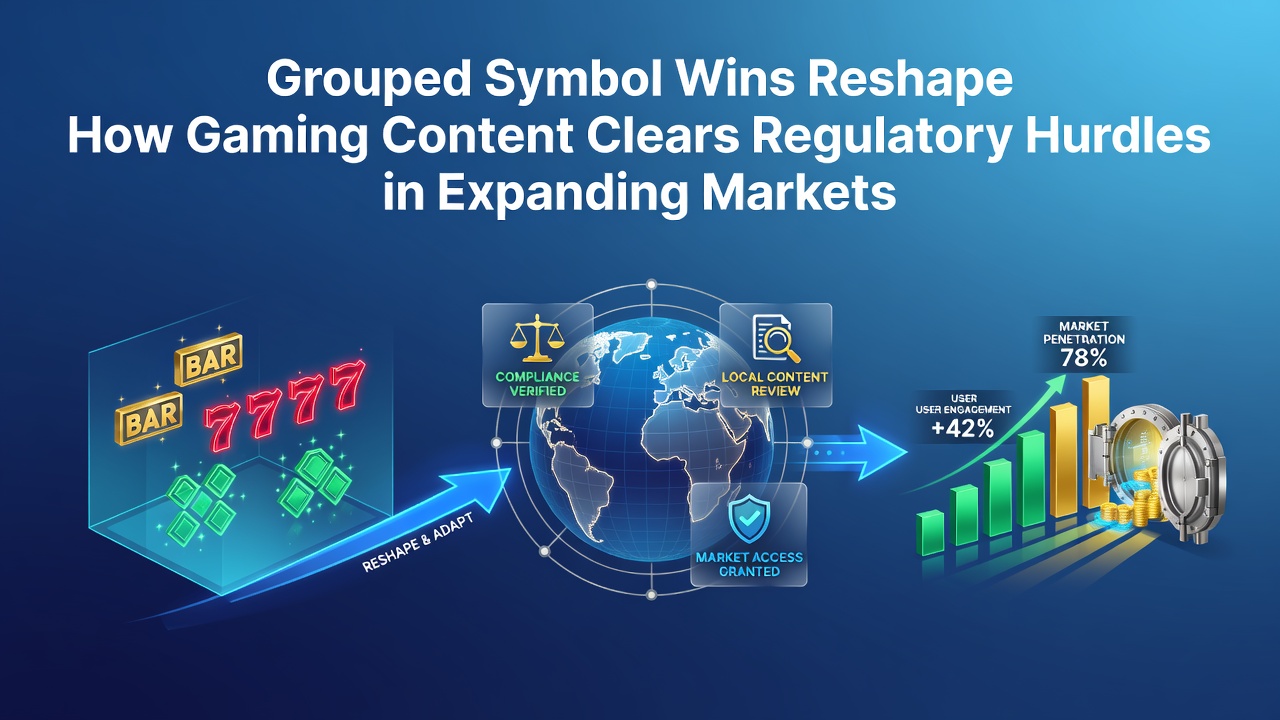
Symbol Clusters Open Doors for Gaming Content in Regulated Expansion Zones
Developers have shifted toward grouped symbol mechanics because these systems replace traditional paylines with clusters that form anywhere on the grid, and regulators in multiple jurisdictions evaluate them through updated mathematical models that emphasize transparency in random number generation. This approach allows games to demonstrate consistent return-to-player percentages while meeting stricter standards on feature frequency that emerged after 2023 reforms across North America and parts of Asia.
Mechanics Behind Grouped Wins
Cluster pays operate by requiring adjacent symbols of the same type to connect horizontally or vertically, often with cascade effects that remove winning groups and drop new symbols into place, and this structure changes how compliance teams calculate volatility and hit rates compared with fixed-line formats. Testing labs now run simulations that track thousands of spins to verify that cluster formations remain unpredictable yet balanced, which satisfies requirements from bodies such as the Nevada Gaming Control Board.
Regulatory Pathways in Expanding Markets
Markets entering regulated frameworks frequently adopt cluster-based titles because these mechanics align with rules that limit repetitive small wins while still delivering engaging sequences through chain reactions. In regions preparing for June 2026 licensing expansions, operators submit cluster games with documented data showing how group formations avoid exceeding maximum stake thresholds during bonus rounds, and this documentation shortens review cycles by several months according to industry submissions tracked by the New Jersey Division of Gaming Enforcement.
Observers note that Australian authorities have also accepted cluster designs more readily when developers provide third-party audits confirming that symbol grouping does not create near-miss patterns that could mislead players. Those audits typically include heat maps of cluster locations across reel sets, which help regulators confirm fair distribution without additional manual scrutiny.
Case Examples From Recent Approvals
One developer secured certification in a Canadian province by presenting cluster games whose cascade sequences maintained an average hit frequency below thresholds outlined in provincial gaming guidelines, and the same title later received approval in two additional territories with only minor RTP adjustments. Another studio used grouped symbols to meet European Union data-protection standards because the mechanic records fewer individual spin outcomes per session than line-based alternatives, reducing the volume of player data stored during regulatory audits.

Impact on Approval Timelines
Approval durations have shortened in jurisdictions that accept standardized cluster-testing protocols, since labs already maintain reference datasets for these mechanics instead of building new models from scratch. Figures from the Canadian Gaming Association indicate that cluster submissions cleared review an average of 18 percent faster than equivalent line-based games during the first half of 2025, largely because shared evaluation frameworks exist across multiple provinces.
Yet some emerging markets still require bespoke volatility reports even for cluster titles, which means developers must allocate extra resources when targeting those locations. The difference appears most clearly in Asia-Pacific jurisdictions where regulators demand on-site demonstrations of cluster formation logic before granting commercial licenses.
Future Considerations for Developers
Companies preparing content for June 2026 rollout dates now integrate cluster mechanics early in the design phase, allowing compliance teams to generate required probability tables alongside core game features rather than retrofitting them later. Research published by the University of Nevada, Reno gaming laboratory shows that titles using grouped symbols require fewer post-certification patches because their underlying mathematics remain stable across varying reel heights and symbol counts.
Stake limits and session time caps scheduled in several markets further favor cluster systems, since cascades create natural breaks in play that align with responsible gaming prompts without interrupting continuous spinning cycles. Developers therefore position these games as adaptable across both land-based terminals and online platforms that share the same regulatory framework.
Conclusion
Grouped symbol mechanics continue to influence how gaming content moves through regulatory gates in markets opening or expanding oversight, because the structure supplies clear data points that testing bodies already understand and can verify efficiently. As more jurisdictions finalize rules ahead of June 2026 implementation windows, cluster-based designs provide a practical route for developers seeking faster market entry while satisfying transparency and fairness requirements across diverse regulatory environments.