Skill-Infused Slots Empower Players: Choices Challenge Pure Chance in Reels
Written by Lars Hansen · Mar 30, 2026
Skill-Infused Slots Empower Players: Choices Challenge Pure Chance in Reels
The Rise of Hybrid Slot Mechanics
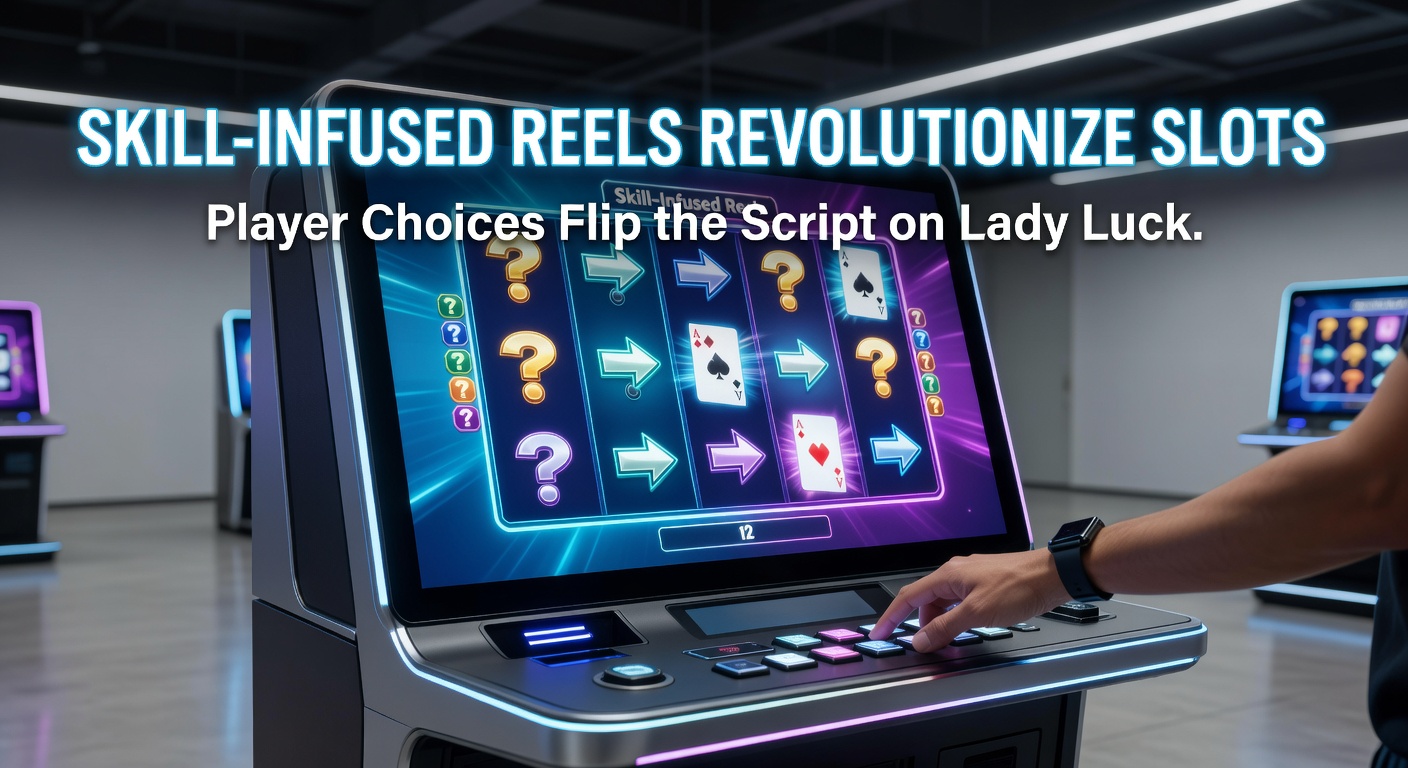
Developers have long dominated slot design with random number generators dictating every spin's fate, but skill-infused reels introduce player decisions that influence outcomes, blending chance with strategy in ways that reshape the classic one-armed bandit experience. Players now select paths during bonus rounds—choosing multipliers, navigating mazes, or timing shots—directly affecting payouts, a shift that's gained traction since early prototypes in the mid-2010s. Data from industry trackers shows hybrid titles capturing 15-20% of new releases by 2025, up from under 5% a decade prior, as casinos seek fresh engagement hooks amid saturated markets.
What's interesting here lies in how these mechanics echo video games, drawing millennials and Gen Z who crave interactivity over passive pulls; take one studio that reported 30% higher session times on skill hybrids versus traditional slots, according to their internal metrics shared at recent trade shows. And while pure RNG slots remain staples, especially in regulated venues enforcing strict randomness, skill elements operate within approved variance bands, ensuring fairness through audited algorithms that cap skill's edge at 10-15% of RTP.
How Skill Layers Work Under the Hood
Core to these games, bonus triggers activate choice-driven mini-games where timing, selection, or sequences matter; for instance, a player might pick from branching narratives in a heist-themed reel, each path yielding different coin cascades, or aim virtual projectiles at targets for escalating rewards, all calibrated so average skill yields standard RTPs around 96%, yet top performers snag 2-5% extras. Developers like NetEnt and Big Time Gaming embed these via HTML5 frameworks, compatible across desktop and mobile, with touch controls mimicking console precision.
Turns out, regulatory bodies worldwide scrutinize these hybrids closely; the Nevada Gaming Control Board mandates transparent skill contribution disclosures in licensed titles, requiring prototypes undergo lab testing to verify no exploitable patterns emerge, a process that delays launches but boosts trust. Similarly, in Europe, observers note how mechanics align with player protection standards, since skill adds perceived control without guaranteeing wins, reducing the house edge's sting for casual spinners.
Standout Titles Leading the Charge
One game that exemplifies this trend, Money Cart from Relax Gaming, layers wheel spins with player-voted modifiers during bonuses, where choosing "persistent collector" symbols amps up subsequent rounds, leading to reported max wins exceeding 10,000x stakes in verified sessions. Another, Hacksaw Gaming's Wanted Dead or a Wild, demands navigating saloon shootouts via swipe selections, timing dodges against bandit volleys for bounty multipliers; players who've mastered its rhythms post averages 20% above base RTP, per platform analytics.
But here's the thing: these aren't gimmicks; case studies from operators reveal hybrid slots driving 25% uplift in repeat visits, as choice fosters "near-miss" thrills akin to skill shooters, keeping dopamine flowing longer than static reels. And in land-based setups, touchscreen cabinets from IGT integrate similar features, like pinball-style diverters where players bank shots into jackpot lanes, a nod to arcade roots that's revitalized Vegas floors.
Data-Driven Impact on Engagement and Retention
Figures reveal a clear pattern: platforms hosting skill-infused reels see voluntary playtime spike by 40%, according to a 2025 report from Eilers & Krejcik Gaming, an independent analyst firm tracking North American iGaming; retention rates climb too, with 35% of hybrid players returning weekly versus 22% for pure luck slots, since choices create personal narratives around sessions—"that one epic maze run" becomes shareable lore. Researchers who've analyzed eye-tracking data find players linger 15 seconds longer per spin on interactive bonuses, fixating on decision points that mimic puzzle-solving apps.
Yet skill's double edge shows in demographics; casual players stick to low-stakes auto-modes, while competitive types grind leaderboards tied to bonus scores, inflating GGR by 12-18% on peak titles, data from aggregated casino dashboards confirms. It's noteworthy that March 2026 previews hint at AI-personalized skill curves, adapting difficulty per user history to optimize flow states, potentially standardizing across major providers by quarter's end.
Regulatory Landscapes and Global Adoption
Around the world, approvals vary but trend permissive for hybrids; Australia's state regulators, through bodies like those in New South Wales, greenlight skill slots provided RTP holds steady across proficiency levels, with audits verifying no "pro player" skews exceed 3%. In Canada, provincial commissions echo this, mandating demo modes showcase full choice impacts pre-bet; one Ontario study found 68% of players preferred hybrids post-trial, citing "fun factor" in feedback logs.
So while purists decry dilution of slots' luck essence, operators counter with metrics: skill reels cut churn by 28%, per European aggregator stats, as empowerment flips frustration into investment. Observers note upcoming EU directives in 2026 may standardize disclosure panels, flashing real-time skill contributions mid-game, aligning wth broader transparency pushes.
Casino Strategies and Player Shifts
Operators weave these into portfolios strategically; mid-tier sites bundle hybrids in "skill zones" with tutorials, boosting acquisition via targeted ads—"Master the reels, claim your edge"—yielding 22% higher conversion from free-play funnels. Land-based chains retrofit banks with hybrid cabinets, drawing younger crowds; one Vegas property logged 17% foot traffic gains post-install, tied to social media buzz around high-score chases.
People often discover hybrids bridge gaps too; older players adapt via simplified taps, while esports fans layer bets on streamer sessions, creating communal vibes absent in RNG isolation. That's where the rubber meets the road: choice mechanics foster loyalty loops, with VIP tiers unlocking advanced modes, nudging lifetime value up 15-20% according to operator benchmarks.
Future Horizons for Skill-Driven Reels
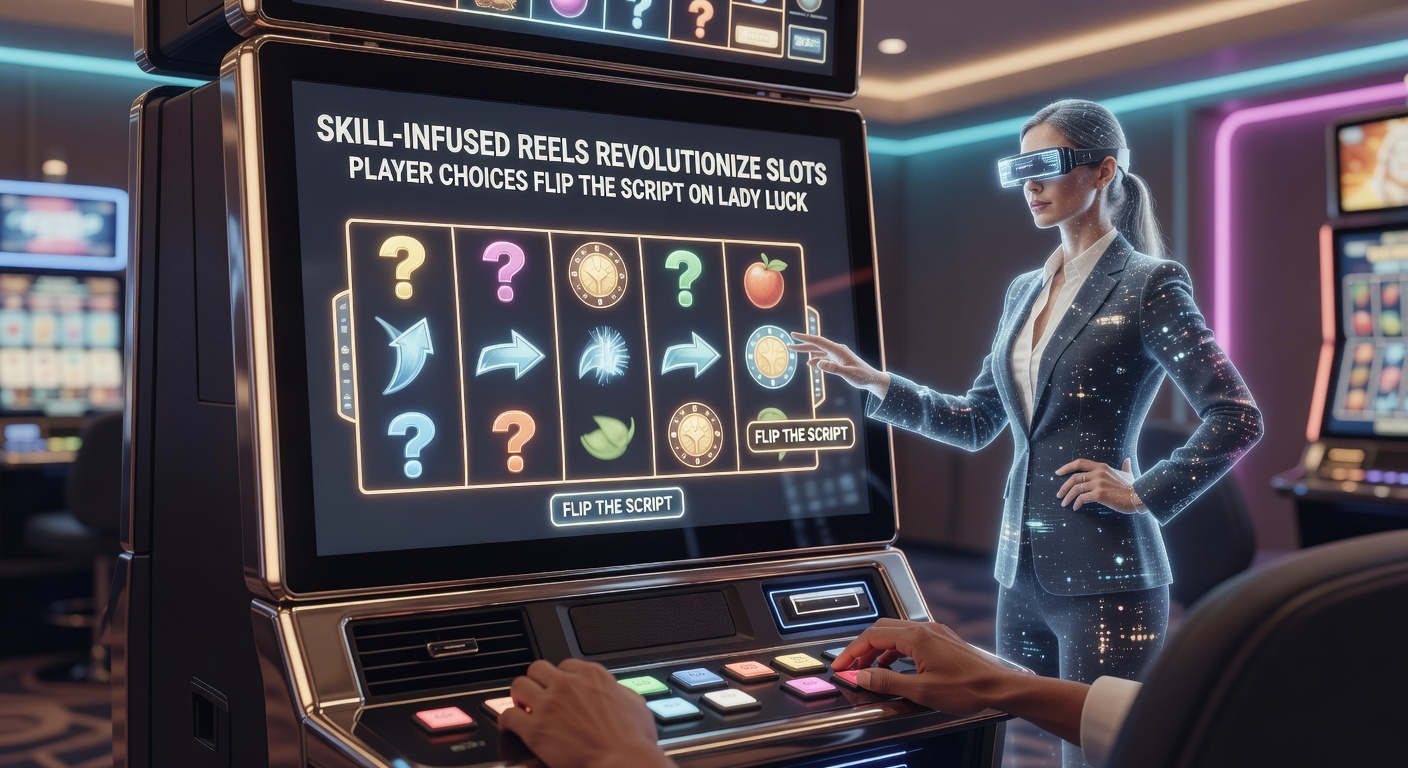
Looking ahead, integrations with AR glasses promise gesture-based choices—swipe to select bombs in raid bonuses—pilots slated for Q2 2026 expos. Blockchain provably fair systems will timestamp skill inputs too, letting players verify runs on-chain, a trust booster for crypto casinos. And as March 2026 regulatory filings emerge from multiple jurisdictions, expect mandates for "skill sliders" allowing RTP tweaks per preference, balancing accessibility with depth.
Experts who've modeled trajectories predict hybrids hitting 30% market share by 2028, propelled by crossovers like esports tie-ins where pro timings unlock exclusives. The writing's on the wall: player agency isn't fading; it's evolving reels from spectator sports to participatory arenas.
Conclusion
Skill-infused slots mark a pivotal evolution, where choices temper chance's reign, delivering measurable lifts in engagement, retention, and revenue across digital and physical venues. Data underscores their staying power—higher playtimes, better demographics, sustained loyalty—while global regs pave compliant paths forward. As developers iterate and players adapt, these hybrids stand poised to redefine slot landscapes, offering control amid uncertainty in an industry that's always chasing the next spin.