Real-Time Analytics Fuel Adaptive Bonuses That Cut Player Churn in Global Casinos
Written by Parker Schmid · Jul 12, 2026
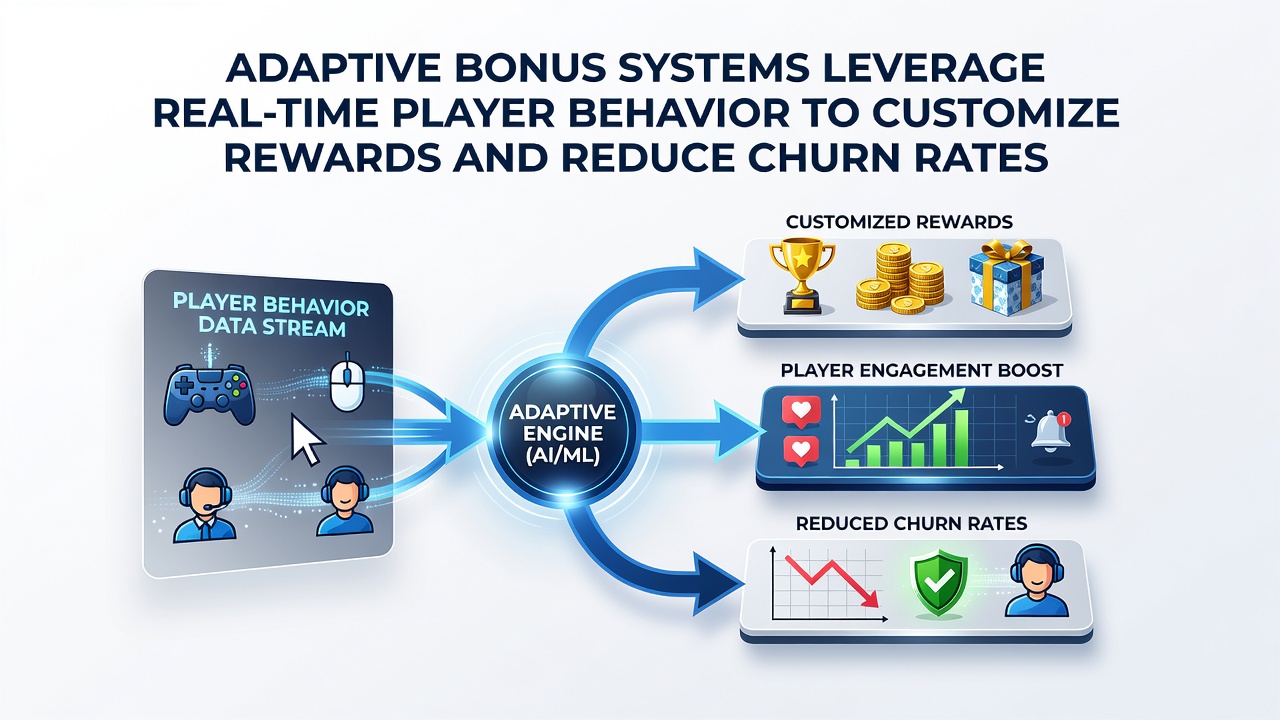
Real-Time Analytics Fuel Adaptive Bonuses That Cut Player Churn in Global Casinos
Operators now deploy systems that monitor every spin, bet size, session length, and win-loss pattern to adjust rewards on the fly, and this approach has gained traction because static offers often fail to retain users once novelty wears off. Data streams feed into algorithms that recalculate bonus eligibility within seconds, allowing platforms to deliver free spins, cashback tiers, or deposit matches that match individual risk tolerance and play frequency. Researchers at the University of Nevada, Reno have documented how such personalization lifts retention metrics by aligning incentives with demonstrated habits rather than blanket promotions.
Mechanics Behind the Adaptation Layer
Telemetry from game clients and account dashboards flows into centralized models that classify players into dynamic segments every few minutes, while machine learning layers predict the next likely drop-off point based on recent activity drops. When a high-volume slot user shows signs of slowing down, the system can trigger a tailored reload bonus that scales with their average bet size, and similar logic applies to table game participants who receive live dealer credits after extended losing streaks. These adjustments happen without manual intervention, because scripted rules combined with predictive scoring replace the old one-size-fits-all campaigns that once dominated marketing calendars.
Integration With Existing Platforms
Modern casino management systems already capture thousands of data points per session, so the bonus engine simply sits on top of that infrastructure and queries it continuously. Integration typically occurs through APIs that push updated offers directly into the player lobby, which means users see fresh rewards the moment their behavior profile shifts. Several North American operators have reported that this loop reduces the time between detection of disengagement and reward delivery to under ninety seconds, a window narrow enough to interrupt churn before it solidifies.
Evidence From Multiple Markets
Figures released by the American Gaming Association indicate that properties using adaptive rewards saw a measurable dip in thirty-day churn compared with control groups that relied on fixed promotions. One study tracked over 180,000 accounts across twelve weeks and found the adaptive cohort maintained 14 percent higher active days per month, while the static group experienced steeper drop-off after the initial deposit window closed. Similar patterns appear in Australian data, where researchers linked real-time customization to longer average lifetime value without increasing bonus expense ratios.
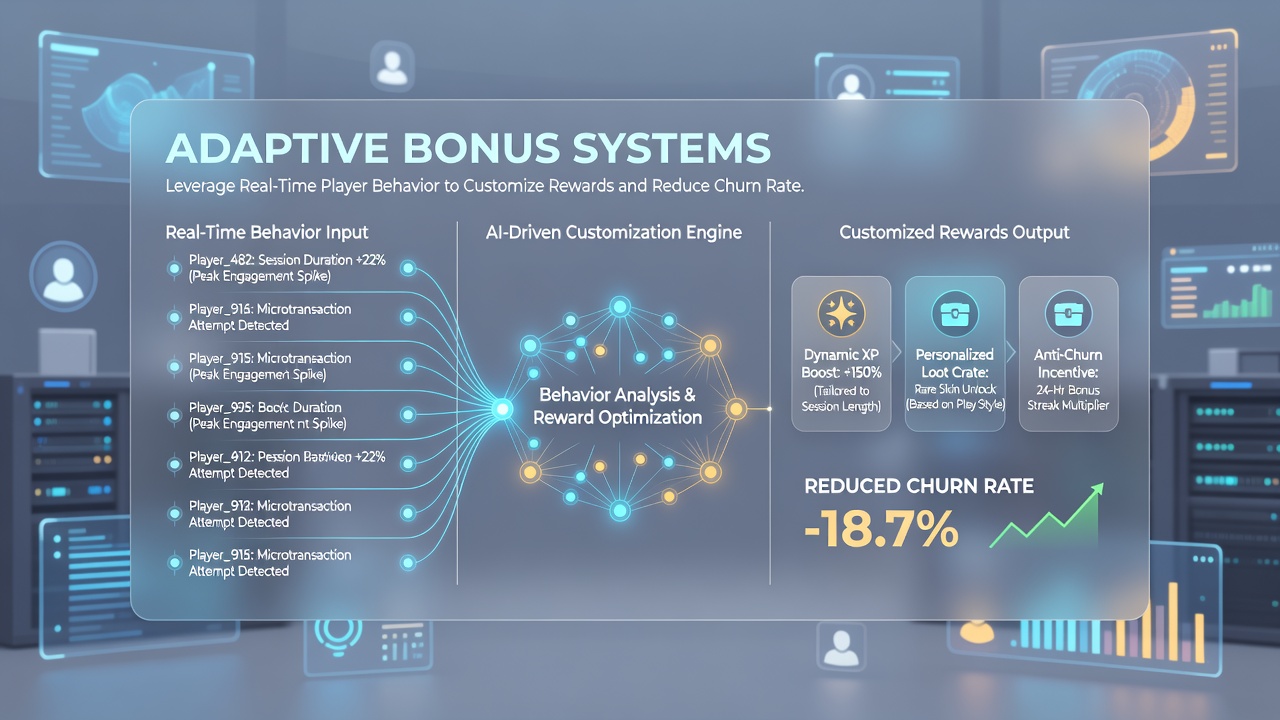
Those who study these implementations note that the key variable remains the freshness of the behavioral signals, because older data loses predictive power quickly. Platforms that refresh profiles every sixty seconds outperform those running daily batches, and the difference shows up clearly in reactivation rates among lapsed users. Regulators in several jurisdictions now require transparency reports on how bonus algorithms weight certain behaviors, yet the core technology continues to spread because operators see direct correlation between tailored incentives and lower marketing cost per retained player.
Regulatory Context and July 2026 Milestones
While rule changes scheduled for July 2026 in various regions will impose stricter standards on bonus advertising and responsible gaming disclosures, the underlying data infrastructure remains unaffected. Operators are already preparing compliance modules that log every adaptive decision and make audit trails available to oversight bodies, ensuring that personalization does not cross into prohibited inducement territory. This preparation runs parallel to the technology rollout, so platforms expect seamless continuity when the new standards activate.
Case Examples From Different Regions
Take one European operator that integrated adaptive triggers into its mobile app last year, and the result was a documented 9 percent reduction in accounts reaching zero balance without a single deposit in the following thirty days. Across the Pacific, a consortium of Canadian provincial gaming corporations tested similar logic on lottery-linked slot products and recorded comparable lifts in repeat login frequency. Observers note that success hinges less on the sophistication of the model and more on the quality of the underlying telemetry, because incomplete data sets produce erratic offers that can erode trust.
Future Trajectory and Measurement Standards
Industry reports from the Interactive Gaming Council emphasize the need for standardized KPIs that isolate the contribution of adaptive bonuses from other retention tactics. Metrics such as bonus redemption velocity, post-bonus session length, and cross-game migration now appear alongside traditional churn figures in board presentations. As more datasets become available, the precision of these models is expected to improve further, particularly once federated learning techniques allow operators to train on aggregated patterns without sharing raw player records.
Conclusion
Adaptive bonus systems that respond to live behavior continue to reshape how casinos allocate reward budgets, and the pattern holds across multiple regulatory environments. Because the technology ties offers directly to observable actions rather than static demographics, operators gain measurable control over churn while maintaining compliance with disclosure rules that take effect in 2026. Continued refinement of the underlying analytics promises further efficiency gains as platforms collect richer session data and refine prediction windows.