Player-Focused Innovations Reshape Mobile Gambling App Interfaces
Written by Avery Becker · Jun 26, 2026
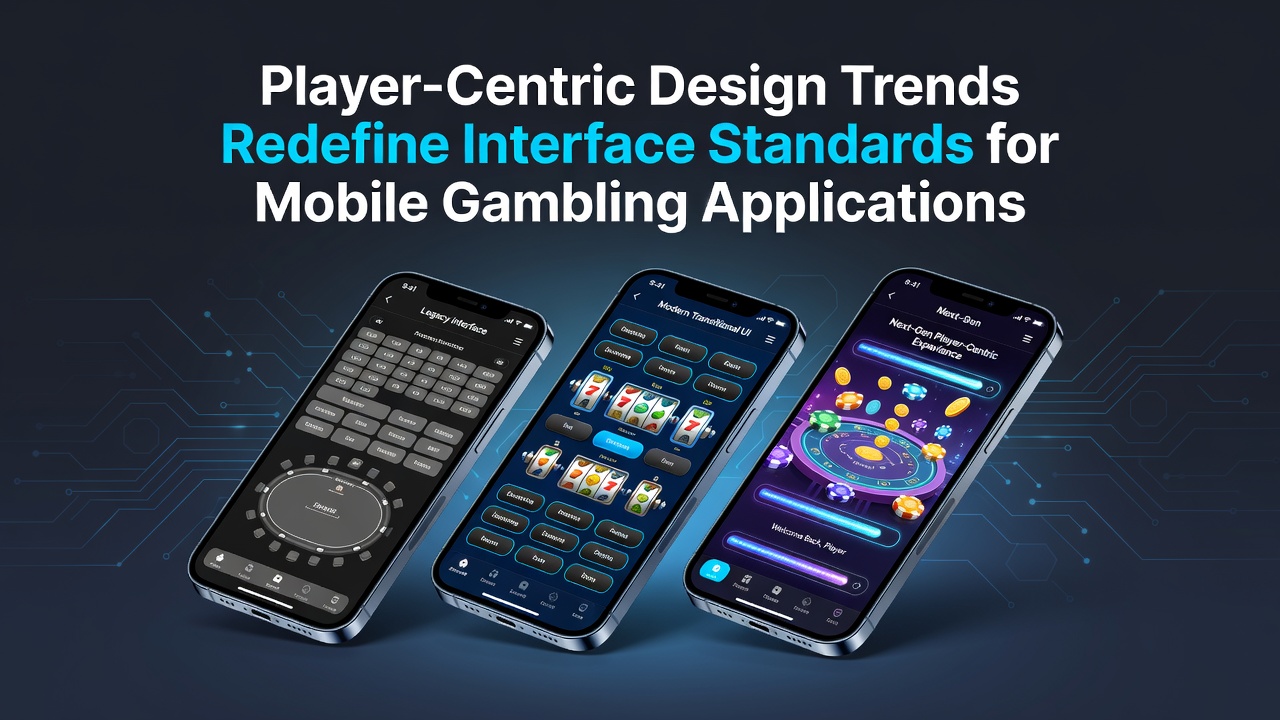
Player-Focused Innovations Reshape Mobile Gambling App Interfaces
Data from industry reports indicates that player-centric design principles now drive most updates to mobile gambling applications, with developers prioritizing adaptive layouts that respond to individual user behaviors and preferences. Research conducted across multiple markets shows these changes improve navigation speed while reducing friction during gameplay sessions, and companies track metrics such as session duration alongside completion rates to refine features continuously.
Core Elements Driving Interface Evolution
Design teams incorporate several key components when updating interfaces, including gesture-based controls that replace traditional buttons, dynamic color schemes that adjust based on time of day, and customizable dashboards where users rearrange panels according to their priorities. Observers note that these modifications stem from extensive user testing sessions conducted in controlled environments, where participants interact with prototypes and provide feedback on layout clarity and response times. Studies reveal that applications adopting such elements see higher retention figures compared to those relying on static designs, since players encounter fewer interruptions during transitions between game modes.
Accessibility standards also receive attention, with features like voice navigation commands and adjustable text sizes integrated into many platforms. Regulatory bodies in various regions encourage these additions through guidelines that emphasize inclusive experiences, and developers reference frameworks from organizations such as the American Gaming Association when implementing changes. One case involved a major operator that introduced high-contrast modes after analyzing usage patterns among diverse demographics, resulting in broader adoption across different age groups and device types.
Personalization Through Data Integration
Applications now leverage real-time analytics to tailor interfaces without requiring manual input from users, pulling information from past interactions to suggest preferred game categories or adjust menu hierarchies accordingly. Evidence suggests this approach creates smoother flows, as players move directly to favored sections rather than scrolling through irrelevant options. Developers employ machine learning models trained on aggregated anonymized data sets to predict needs, and updates often roll out during scheduled maintenance windows to minimize disruption.
What's interesting is how these systems balance automation with user control, offering toggle switches that let individuals override automated suggestions at any point. Figures from platform analytics indicate that when users retain override capabilities, satisfaction metrics remain stable even as personalization deepens. And in regions outside primary markets, similar trends emerge, with operators in North America and parts of Asia reporting comparable gains after deploying localized versions of these tools.
Impact on User Engagement Metrics
Engagement data collected through 2025 demonstrates consistent upticks in daily active users for apps that emphasize player-centric interfaces, particularly those that streamline deposit and withdrawal processes into single-tap actions. Researchers at institutions like the University of Nevada's International Gaming Institute have examined these patterns, linking interface simplicity to reduced abandonment rates during account setup phases. Their findings highlight how touch-optimized elements, such as swipe-to-browse mechanics, contribute to longer play intervals while maintaining compliance with regional standards.
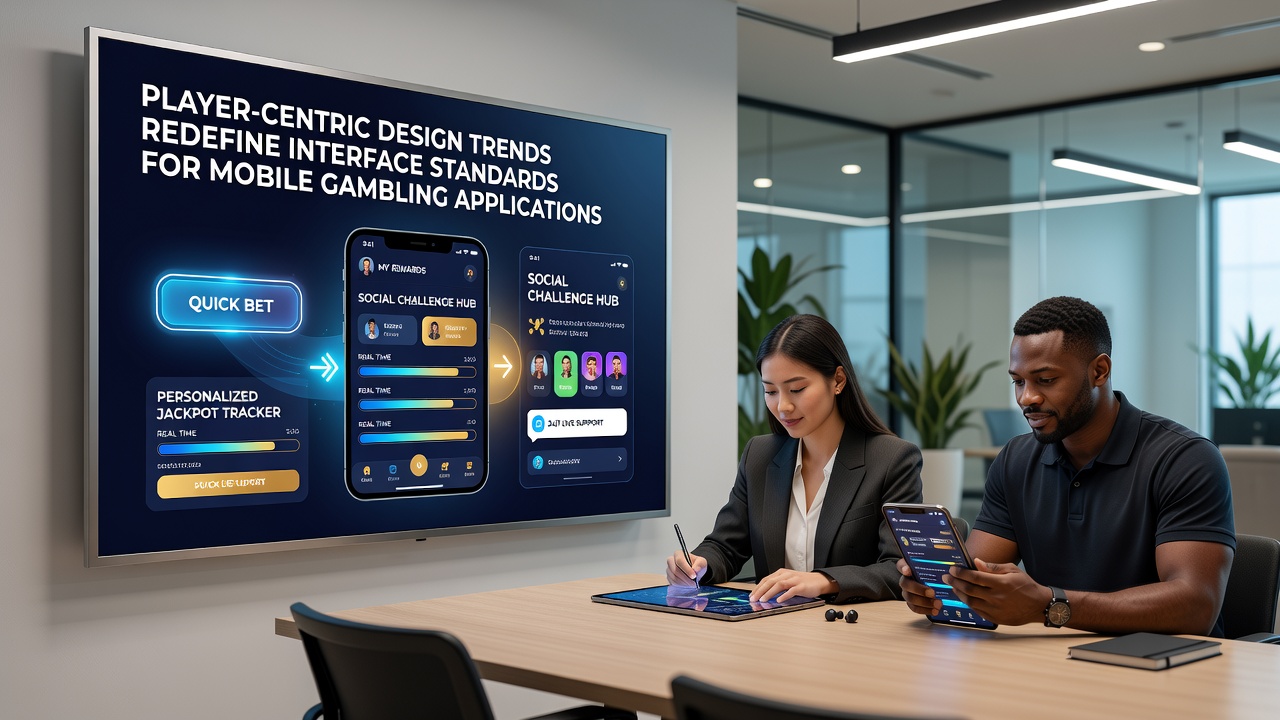
But here's the thing: not every implementation succeeds uniformly, since cultural preferences influence which features resonate most strongly. Applications targeting European audiences often prioritize compact layouts suited to smaller screens, whereas those aimed at broader international users expand spacing for easier one-handed operation. Data indicates that iterative testing cycles, sometimes spanning multiple months, help operators identify optimal configurations before wider releases.
Anticipated Developments Around Mid-2026
Industry analysts project further refinements to interface standards by June 2026, driven by ongoing advancements in device hardware and user expectation shifts. Reports from trade groups suggest emphasis will fall on seamless integration between mobile apps and emerging wearables, allowing gesture controls to extend beyond screens. Those tracking these trends point to pilot programs already underway, where early feedback shapes final adjustments ahead of scheduled launches.
Collaboration between software providers and hardware manufacturers accelerates these changes, with joint ventures focusing on reduced latency in live updates and enhanced security overlays that appear contextually during sensitive actions. Evidence from similar past rollouts shows that transparent communication about new features correlates with smoother user transitions and sustained activity levels.
Conclusion
Player-centric design continues to set benchmarks for mobile gambling applications through measurable improvements in usability and retention. Organizations across different continents apply lessons from ongoing research to maintain competitive edges, while data collection methods evolve alongside technological capabilities. As interfaces adapt further, the focus remains on delivering consistent experiences that align with documented user requirements and regional expectations.