Personalizing Player Rewards Through Adaptive AI in Digital Gaming Platforms
Written by Lars Hansen · May 31, 2026
Personalizing Player Rewards Through Adaptive AI in Digital Gaming Platforms
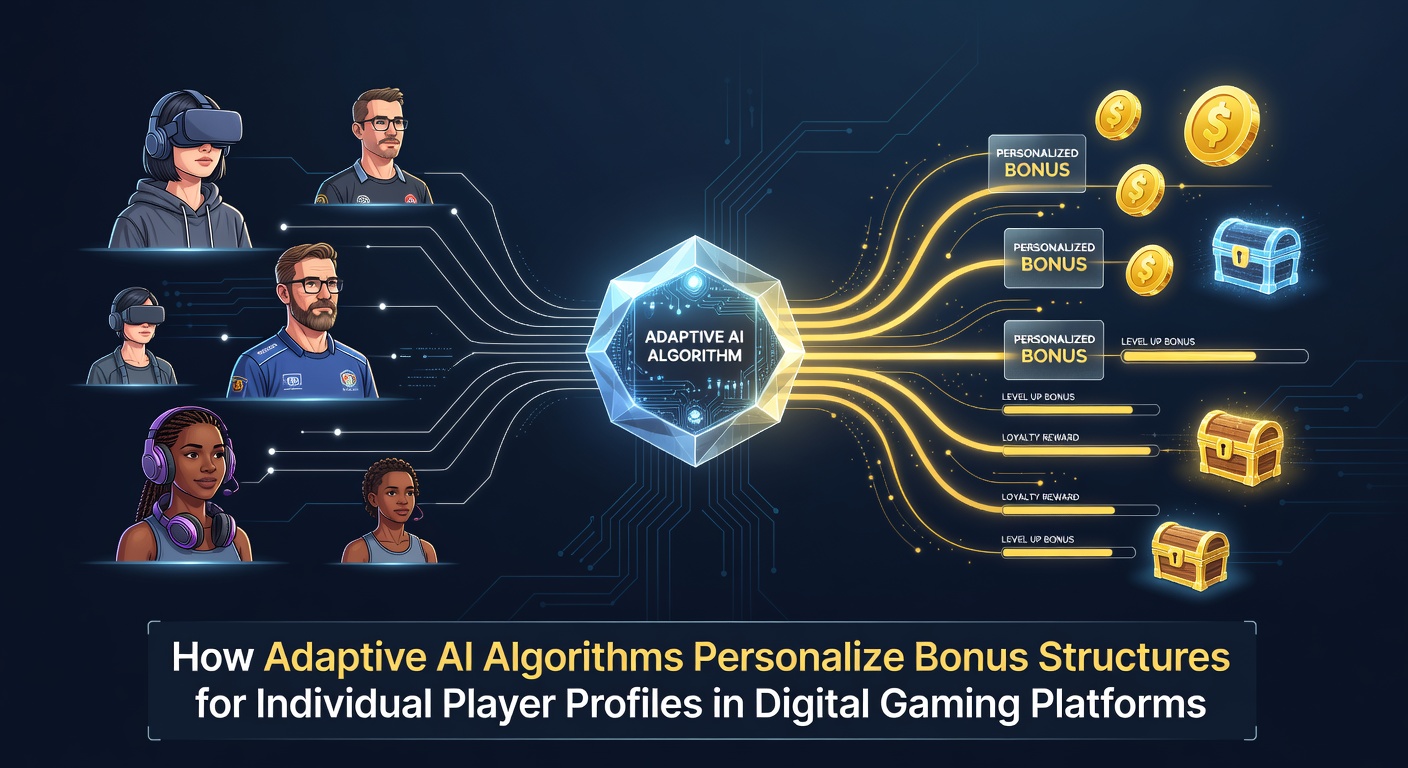
Digital gaming platforms have integrated adaptive AI algorithms to adjust bonus structures according to detailed player profiles, and these systems draw from behavioral data, spending patterns, and engagement metrics to generate tailored incentives. Operators collect information on session length, game preferences, and deposit frequency, then feed that data into machine learning models that refine reward offers in real time. This approach allows platforms to deliver deposit matches, free spins, or cashback percentages that align with each user's historical activity rather than applying uniform promotions across all accounts.
Data Inputs That Shape Individual Profiles
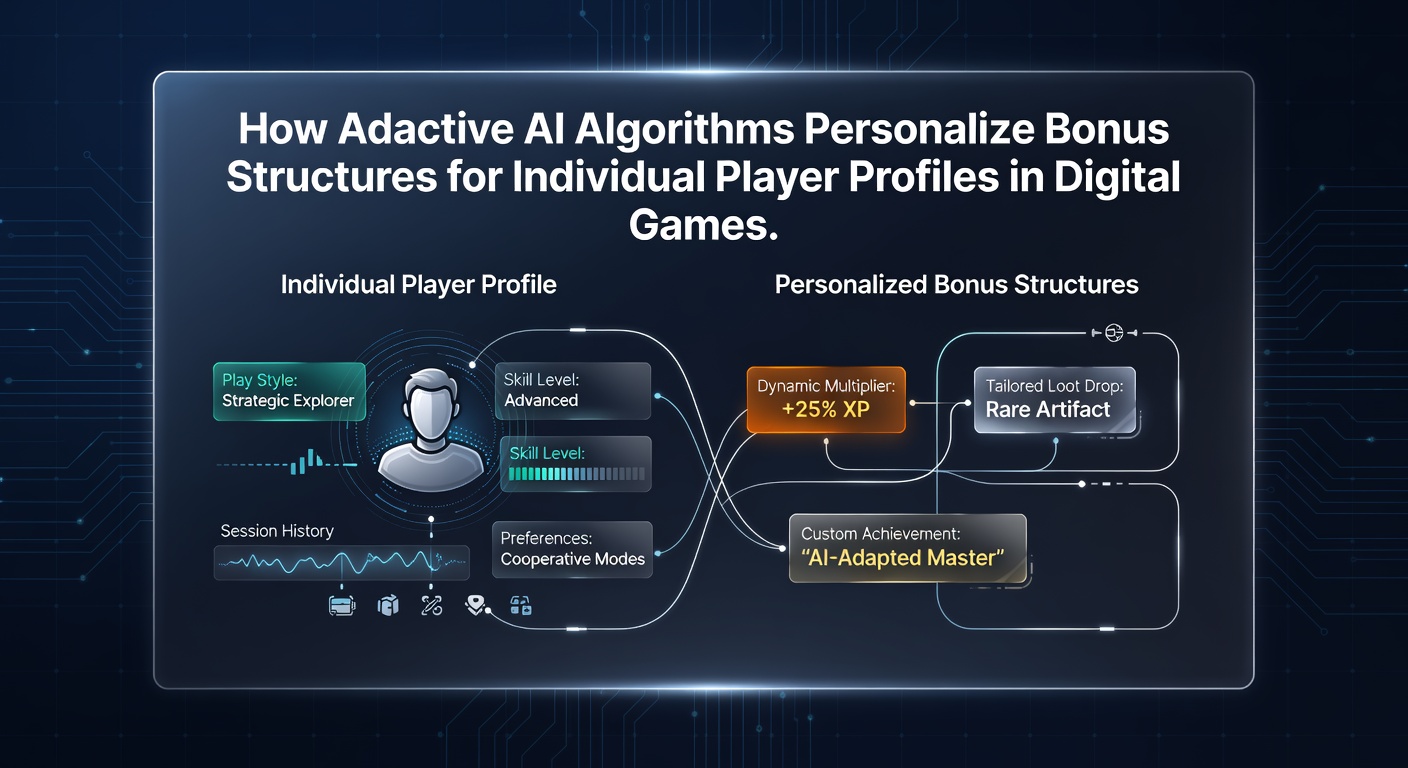
Platforms gather multiple data streams to build comprehensive player profiles, and these include login timestamps, game selection sequences, average bet sizes, and response rates to previous promotions. Algorithms process this information through supervised learning techniques that identify clusters of similar users while also tracking individual deviations from group norms. Researchers at institutions such as the University of Nevada, Las Vegas have documented how these models incorporate both static attributes like age and location alongside dynamic variables that update after every session. The resulting profiles enable platforms to predict which bonus types are likely to increase retention for specific segments without relying on one-size-fits-all campaigns.
Algorithm Mechanisms Behind Dynamic Adjustments
Adaptive systems employ reinforcement learning loops that test small variations in bonus parameters and measure subsequent player responses, and these loops adjust offer values based on reward signals such as continued play or increased deposits. Decision trees and neural networks work together to balance short-term engagement goals with longer-term profitability targets. When a player shows consistent activity in high-volatility slots, the algorithm may increase the frequency of smaller, more regular bonuses while reducing larger but less frequent rewards. Conversely, profiles indicating preference for table games often receive loyalty multipliers tied to longer session durations. Platforms integrate these calculations into backend systems that push updated offers through mobile notifications or in-game interfaces within minutes of new data arrival.
Implementation Examples Across Global Markets
Operators in North America and the Asia-Pacific region have deployed similar frameworks, and reports from industry bodies such as the American Gaming Association indicate that personalization engines now handle bonus distribution for millions of active accounts. One documented case involved a platform that shifted from fixed welcome bonuses to graduated structures based on early gameplay data, resulting in measurable differences in player return rates across demographic groups. In European markets, providers have combined AI-driven personalization with responsible gaming tools that cap bonus exposure for users whose profiles show elevated risk indicators. These implementations rely on continuous model retraining to maintain accuracy as player behaviors evolve over months and years.
Regulatory Considerations in Multiple Jurisdictions
Regulatory frameworks in Australia and Canada require operators to maintain transparency around how algorithmic decisions affect bonus eligibility, and these rules have prompted platforms to log decision factors for audit purposes. Data protection statutes further mandate clear consent mechanisms before detailed behavioral profiles are created. Observers note that compliance teams now collaborate directly with data scientists to embed regulatory constraints into model training processes. As of May 2026, several jurisdictions continue to refine guidelines that address the use of real-time AI adjustments, particularly concerning fairness in reward distribution and protection against over-personalization that might encourage excessive play.
Technical Infrastructure Supporting Real-Time Updates
Cloud-based architectures enable the rapid computation required for profile updates, and edge computing nodes reduce latency when delivering personalized offers during active sessions. Platforms maintain separate data pipelines for training and inference to prevent model drift, while A/B testing frameworks run continuously to validate improvements. Integration wth customer relationship management systems allows bonus offers to sync across desktop, mobile, and live dealer environments. Those who have studied these deployments report that successful implementations depend on clean data governance practices that minimize errors in profile construction.
Conclusion
Adaptive AI algorithms continue to reshape how digital gaming platforms structure bonuses by aligning rewards with granular player profiles derived from behavioral and transactional data. The combination of reinforcement learning, regulatory compliance measures, and scalable infrastructure supports ongoing refinement of these systems across different markets. As platforms collect additional data points and refine their models, personalization capabilities are expected to expand while remaining subject to evolving oversight from regional authorities.