Mechanics Powering Record Turnout in Global Slot Tournaments
Written by Lars Hansen · Jul 17, 2026
Mechanics Powering Record Turnout in Global Slot Tournaments
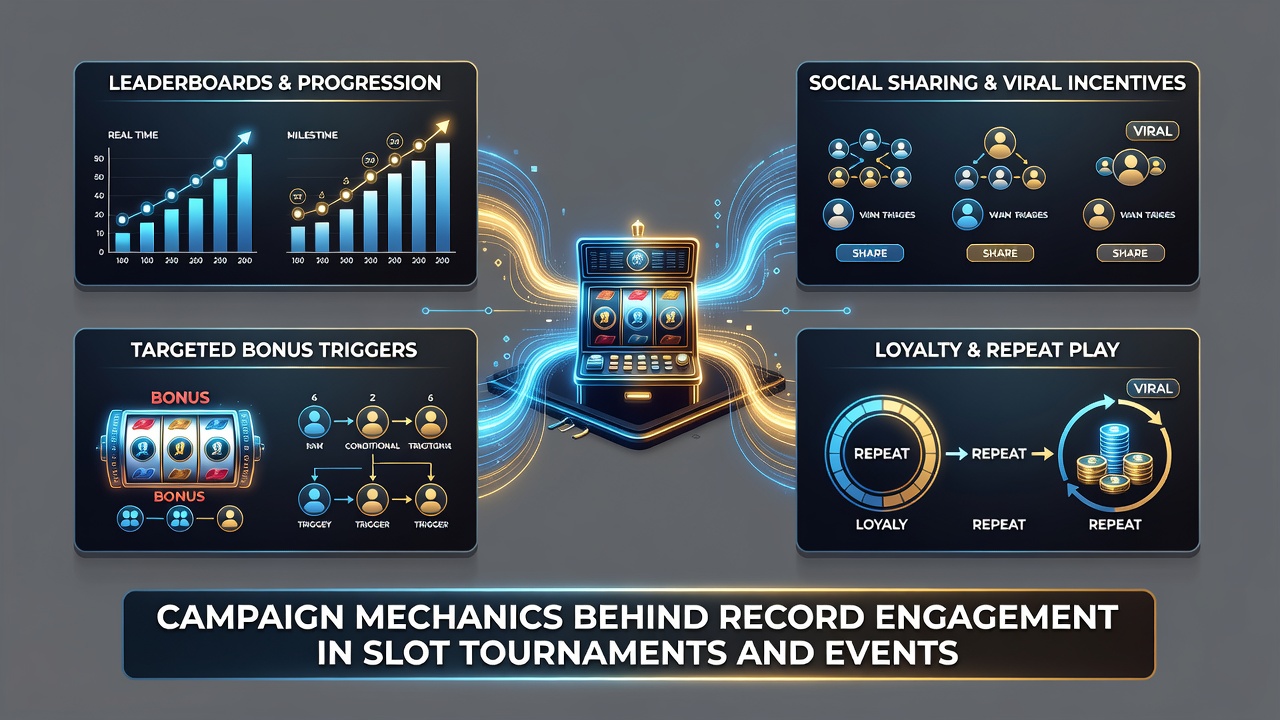
Slot tournaments operate through carefully calibrated structures that combine limited-time windows, progressive leaderboards, and tiered prize pools to maintain steady player activity across multiple sessions. Operators design entry systems that allow both free qualifiers and paid buy-ins, which creates pathways for new participants while rewarding consistent performers with additional rounds. Data from industry reports shows these formats generate repeat logins because rankings update in real time, prompting players to adjust strategies between rounds rather than waiting for final results.
Core Structural Elements Driving Participation
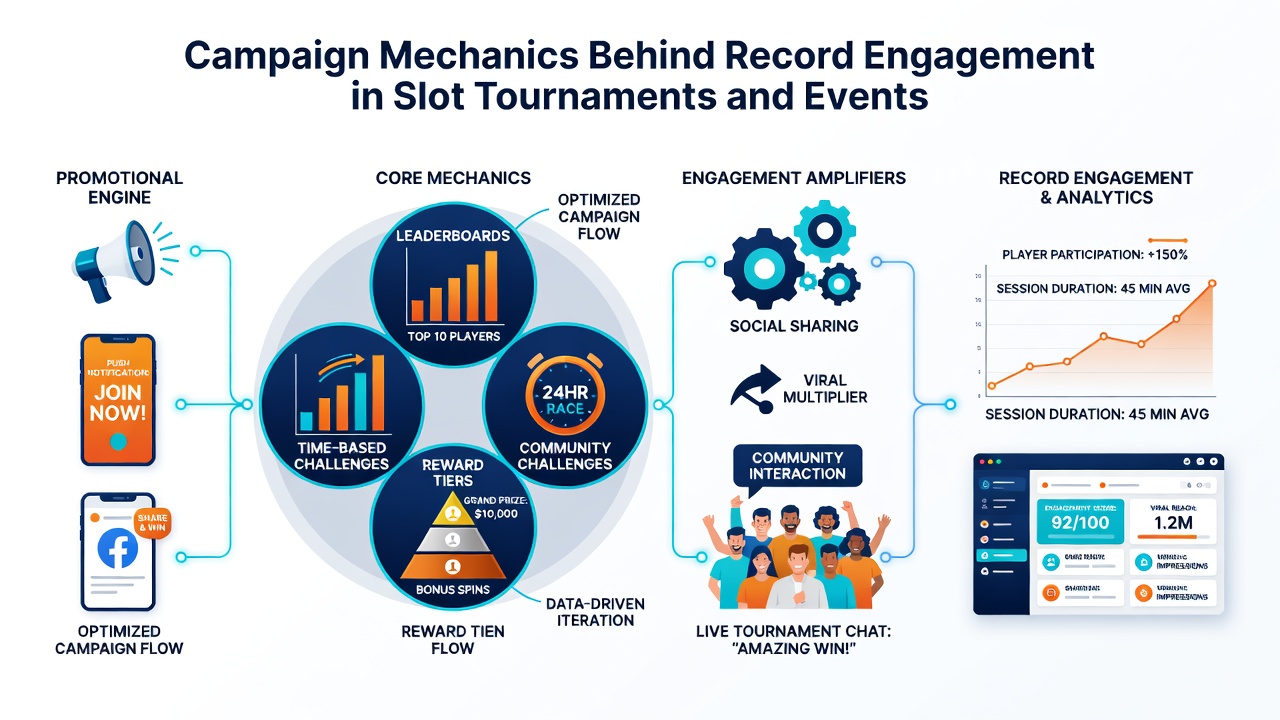
Tournament campaigns typically segment events into daily, weekly, and monthly cycles so that momentum builds without overwhelming server capacity or player schedules. Each cycle features escalating multipliers on scores during peak hours, which encourages logins at specific times while still accommodating different time zones through asynchronous play options. Prize structures often allocate 60 to 70 percent of the pool to top positions, yet they reserve smaller awards for mid-tier finishers, a distribution that research from the American Gaming Association indicates sustains broader engagement by giving more players tangible returns on their time investment.
Leaderboard and Scoring Mechanics
Real-time leaderboards track metrics such as total win multipliers, consecutive spins without losses, or cumulative points from bonus features, and these visible rankings create immediate feedback loops that keep participants returning to improve positions. Scoring algorithms frequently incorporate volatility adjustments so that high-risk, high-reward slots contribute extra points, which balances appeal across different game preferences. When combined with temporary power-ups that double points for limited periods, the system generates bursts of activity that align with promotional pushes announced through in-app notifications.
Entry mechanics further shape turnout because many platforms now integrate tournament access directly into base game interfaces, eliminating separate registration steps that previously caused drop-offs. Free-to-enter events funded by operator marketing budgets attract first-time players, while paid brackets offer larger guaranteed prizes that appeal to experienced users seeking higher stakes. Figures released by regulatory bodies in Nevada reveal that hybrid models mixing both formats increased average session lengths by measurable margins during 2024 and 2025 test periods.
Campaign Timing and Promotional Integration
Operators align major tournaments with seasonal calendars and external events to capitalize on heightened player availability, such as holiday periods or major sports finals that already draw screen time. Pre-event teaser campaigns run across email, push notifications, and social channels, delivering countdown timers and early-bird qualification links that convert casual browsers into registered participants. Post-event recaps that highlight top plays and distribute consolation rewards maintain connection with those who did not finish in prize positions, turning one-off entries into longer-term loyalty patterns.
Cross-promotion with new game releases adds another layer because tournament rules often require spins on featured titles, exposing players to fresh mechanics while simultaneously populating the event with required activity. This dual-purpose design reduces the need for separate marketing spend on game launches. Industry analyses from the National Center for Responsible Gaming note that such integrated approaches correlate with higher completion rates for tutorial content, since tournament rules themselves serve as guided introductions to bonus rounds and special symbols.
Regional Adaptations and Regulatory Context
Platforms operating across multiple jurisdictions adjust tournament parameters to fit local rules on stakes, prize values, and advertising claims. In markets preparing for updated compliance standards scheduled around mid-2026, operators have begun testing capped entry fees and transparent prize disclosure statements within the tournament lobby itself. These preemptive changes allow systems to remain operational without disruption when new requirements take effect, while still preserving the competitive elements that drive participation numbers.
European operators, for instance, incorporate mandatory session reminders and spend trackers directly into tournament interfaces, ensuring that engagement tools double as responsible gaming features. Australian venues have experimented with community-style events where multiple venues link into shared leaderboards, expanding prize pools without increasing individual operator liability. Data compiled by various provincial regulators in Canada shows that these networked formats produced higher average participation per licensed site compared with standalone competitions.
Conclusion
Slot tournament campaigns achieve sustained engagement through interlocking systems of real-time feedback, accessible entry points, and prize distributions that reward both elite and mid-level performance. Timing strategies tied to external calendars, combined with integrated game promotions, further amplify reach while meeting operational constraints. As platforms refine these mechanics ahead of evolving regulatory landscapes, the underlying structures continue to demonstrate measurable effects on player retention and session frequency across diverse markets.