Live Dealer Gaming Enters New Era as Cloud Solutions Expand Reach for Major Brands
Written by Zara Weber · Jul 14, 2026
Live Dealer Gaming Enters New Era as Cloud Solutions Expand Reach for Major Brands
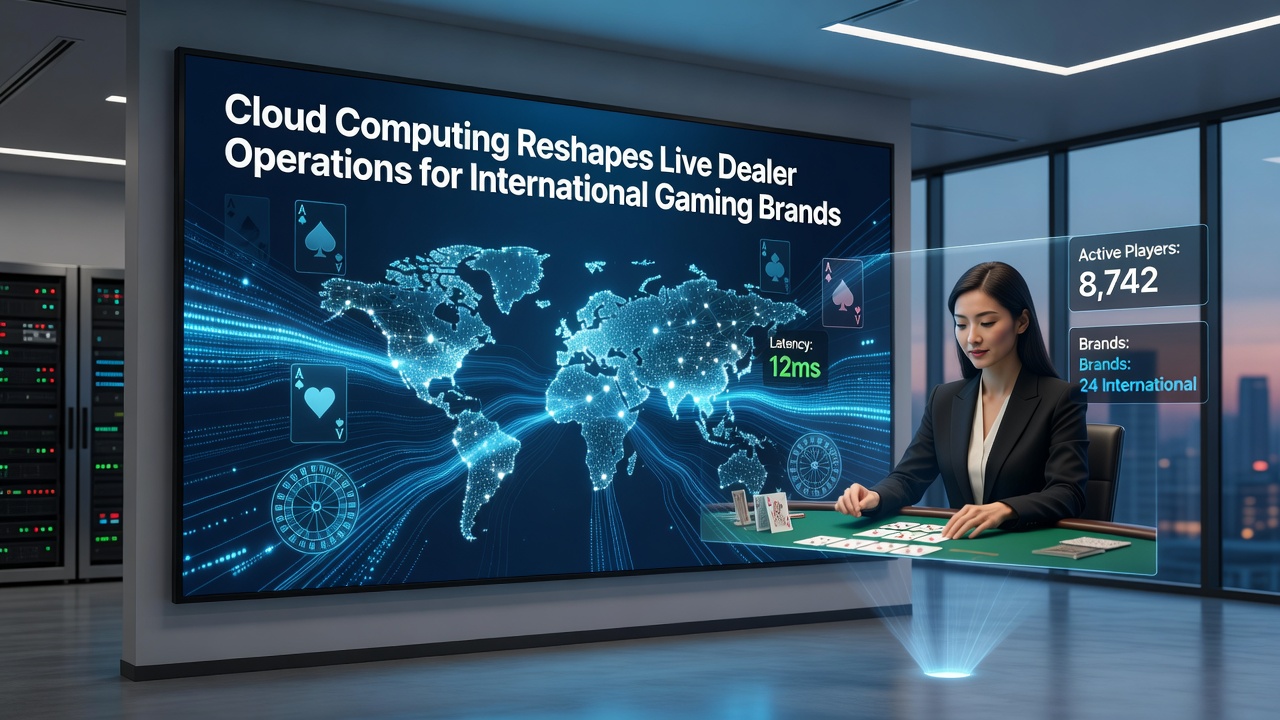
Cloud computing has become central to how international gaming brands manage live dealer operations, allowing real-time video streams, player interactions, and backend systems to run across distributed data centers rather than single on-site servers. This shift enables operators to scale across multiple jurisdictions while maintaining consistent performance, and many have already moved core functions like game logic and authentication to cloud environments by early 2025.
Technical Foundations Behind the Transition
Traditional live dealer setups relied on dedicated hardware located inside casinos or studios, which created bottlenecks when brands tried to serve players in different time zones or regulatory markets. Cloud platforms replace those fixed installations with virtualized resources that adjust automatically to traffic spikes, such as during major sporting events or holiday periods. Observers note that latency-sensitive elements like card shuffling algorithms and dealer video feeds now route through edge computing nodes positioned closer to end users, cutting average response times by measurable margins according to industry benchmarks.
Security protocols have also evolved alongside this infrastructure change. Encryption layers wrap both the video data and betting transactions, while multi-factor authentication systems operate from cloud identity services that update continuously. Those who manage large portfolios report fewer outages because failover happens automatically between regions instead of requiring manual intervention at a physical location.
Operational Advantages for Global Brands
International operators gain flexibility when they no longer need to maintain separate studios for every market they serve. A single cloud-hosted dealer studio can deliver games to players in Europe, Asia, and the Americas through localized content delivery networks. This model reduces capital expenditure on physical facilities while allowing rapid deployment of new game variants or language options without rebuilding infrastructure.
Data analytics tools integrated into cloud environments provide another layer of value. Real-time dashboards track player behavior, dealer performance, and game popularity across regions, feeding directly into automated adjustments for table limits or promotional offers. Research from technology providers shows that brands using these integrated systems complete market expansions in weeks rather than months, because regulatory reporting modules can pull compliance data from unified cloud databases.
Regional Adoption Patterns and 2026 Milestones
European and Asian operators led early adoption, yet North American brands accelerated their own migrations after several state-level approvals for online table games cleared in 2024. By mid-2026, new technical standards for cross-border data handling are scheduled to take effect in multiple jurisdictions, requiring operators to demonstrate cloud-based audit trails that record every dealer action and player decision. Those preparing for the July 2026 deadline have already begun testing encrypted logging systems that satisfy both data residency rules and real-time access demands from regulators.

One documented case involves a major European brand that migrated its live roulette and blackjack operations to a multi-region cloud setup in 2023. Within eighteen months the operator reported a 40 percent increase in concurrent tables without adding physical space, while maintaining sub-100 millisecond latency for players in distant markets. Similar patterns appear in reports from operators serving Latin American and African jurisdictions, where cloud capacity has allowed entry into previously unreachable segments.
Challenges and Mitigation Strategies
Network reliability remains a concern because live dealer experiences depend on uninterrupted video delivery. Brands address this through redundant connections and content caching at multiple points, yet occasional regional outages still occur. Regulatory bodies in several markets now require documented disaster recovery plans that specify maximum acceptable downtime for cloud-hosted games, pushing operators to adopt multi-cloud architectures as standard practice.
Workforce considerations also surface during transitions. Studio technicians and dealers adapt to cloud monitoring dashboards instead of local control rooms, requiring new training programs focused on remote diagnostics. International brands coordinate these programs across time zones, often using cloud-based learning platforms that track completion rates and competency scores automatically.
Future Outlook
Continued growth in 5G coverage and improvements in container orchestration tools point toward even tighter integration between live dealer feeds and player-facing mobile applications. Several brands have begun experimenting with AI-assisted dealer assistance systems hosted in the cloud, where algorithms flag potential errors or suggest optimal game pacing based on aggregated session data. These developments remain in pilot stages but align with the broader infrastructure investments already underway ahead of the 2026 compliance windows.
Conclusion
Cloud computing continues to redefine how international gaming brands structure their live dealer operations, shifting focus from physical facilities toward scalable, compliant digital infrastructure. As the July 2026 regulatory milestones approach, operators that have completed these migrations position themselves to meet new technical standards while expanding service to additional markets. The pattern shows steady consolidation around cloud-native models across regions, supported by measurable gains in uptime, analytics depth, and deployment speed.