Global Data Exchange Standards Reshape Bonus Allocation Strategies Across International Gambling Markets
Written by Avery Becker · Jun 5, 2026
Global Data Exchange Standards Reshape Bonus Allocation Strategies Across International Gambling Markets
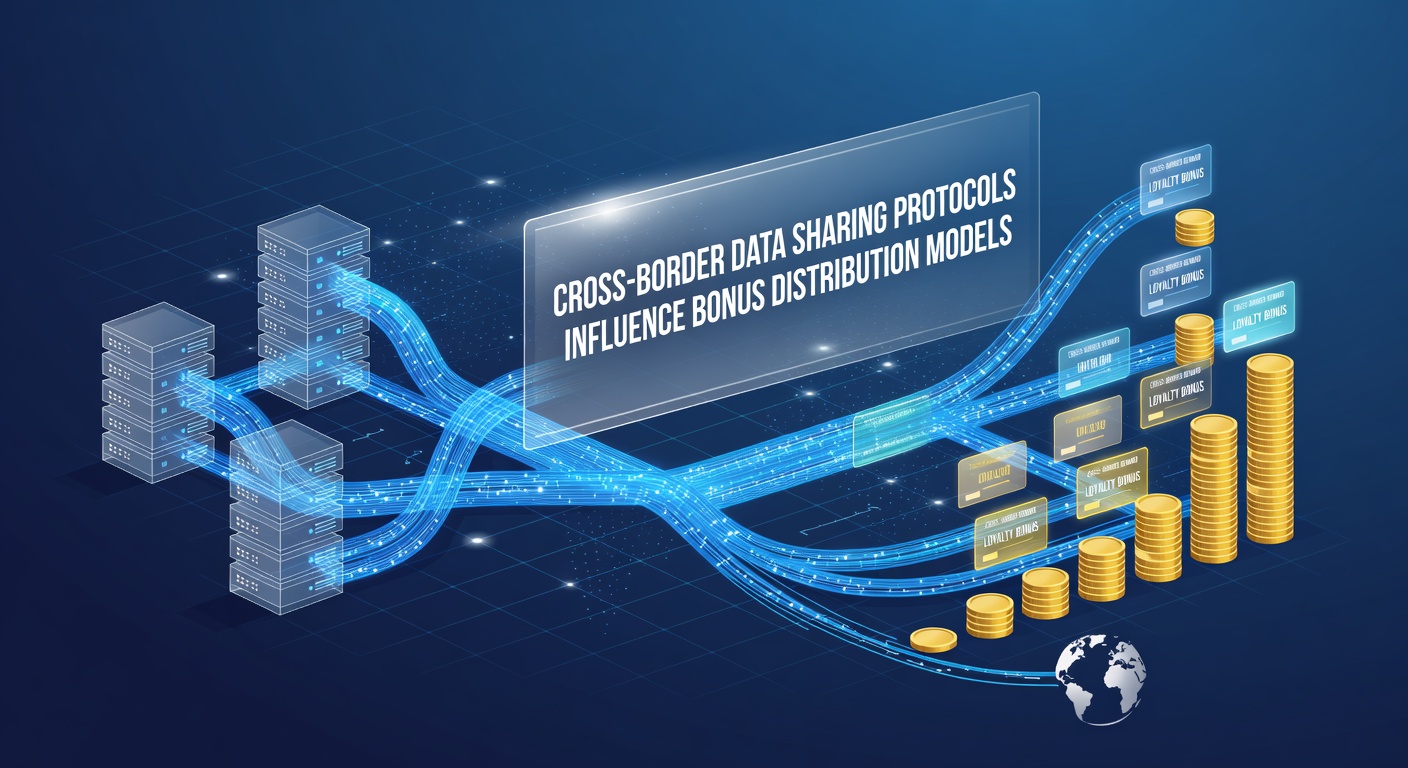
Cross-border data sharing protocols have become central to how gambling operators design and distribute bonuses, since these frameworks determine what player information can move between jurisdictions and under what conditions. Regulatory bodies in multiple regions now coordinate on data transfer rules that directly shape promotional models, with operators adjusting bonus structures to align with privacy requirements while maintaining competitive offerings.
Data Protocols Define Information Flow Between Markets
Operators rely on standardized agreements that govern how user data crosses national borders, and these arrangements influence everything from eligibility checks to personalized reward calculations. Research from international regulatory networks shows that consistent protocols reduce compliance risks but require sophisticated systems to track consent across different legal environments, which in turn affects the speed and scale of bonus campaigns. When data sharing follows clear guidelines, companies can aggregate behavioral patterns from several territories to refine bonus tiers, yet any misalignment in standards forces separate models for each region.
European frameworks emphasize explicit consent and purpose limitation, while North American and Asian approaches often prioritize different security benchmarks, creating a patchwork that operators must navigate. One study by academic researchers at a major European university highlighted how these variations lead firms to segment bonus pools based on data availability rather than uniform global strategies.
Bonus Models Adapt to Regional Compliance Demands
Bonus distribution now incorporates real-time data validation steps that verify player status across multiple jurisdictions before rewards activate, and this process stems directly from protocol requirements that limit unrestricted data movement. Figures from industry reports indicate that operators using compliant sharing mechanisms achieve higher retention rates through targeted promotions, whereas those facing restrictions often default to generic offers that apply uniformly but deliver lower engagement. Data indicates the shift became more pronounced after updates to international privacy standards took effect, pushing companies toward modular bonus systems that activate differently depending on the player's primary market.
Take one operator that expanded into additional territories and discovered its existing loyalty bonuses triggered compliance flags when player histories could not transfer freely, leading to redesigned reward structures that reset upon jurisdiction changes. Such adjustments maintain legal standing while preserving player incentives, though they demand ongoing investment in technical infrastructure to handle protocol variations smoothly.

Technical Integration Challenges Emerge in Practice
Systems must reconcile differing encryption standards and audit trails when exchanging data for bonus calculations, and observers note that delays in these exchanges can postpone promotional launches or limit their geographic reach. According to findings presented by the International Association of Gaming Regulators, companies that invest in interoperable platforms report fewer disruptions, since unified protocols allow seamless aggregation of metrics like play frequency and deposit patterns across borders. Yet smaller operators often encounter barriers when scaling these capabilities, resulting in bonus models that remain localized even as broader market opportunities exist.
June 2026 marks a key milestone for several alignment initiatives among regulators in the EU, Canada, and Australia, where new data portability guidelines are scheduled to synchronize reporting formats, and this timing influences how firms plan bonus rollouts in advance. Evidence suggests early adopters gain advantages by testing cross-jurisdictional promotions ahead of full implementation, whereas others prepare contingency models that segment rewards more strictly by territory.
Market Examples Illustrate Protocol Effects
Cases from operators serving both European and Latin American players demonstrate how data sharing limits reshape welcome bonuses and ongoing promotions, with some firms introducing region-specific multipliers that reflect available information rather than uniform criteria. A report compiled by researchers at an Australian institution found correlations between protocol adherence levels and the diversity of bonus types offered, noting that broader data access enables more sophisticated loyalty programs while restricted flows favor simpler deposit-match structures. These patterns appear consistently across multiple markets, underscoring how technical rules translate into commercial decisions.
Industry organizations tracking these developments emphasize that transparent protocol documentation helps operators forecast bonus performance more accurately, reducing the trial-and-error phase that previously characterized international expansions. Data from trade analyses reveals gradual convergence in certain metrics, such as average bonus value per active player, as sharing mechanisms mature and allow comparable personalization levels across compliant regions.
Future Adjustments Follow Regulatory Timelines
Upcoming synchronization efforts scheduled for mid-2026 will likely standardize additional elements of data transfer, including consent revocation processes that affect bonus eligibility tracking, and operators are already mapping how these changes intersect with existing distribution frameworks. Those monitoring the sector observe that firms incorporating flexible protocol layers into their systems position themselves to adapt bonus models without major overhauls, whereas rigid setups may require more extensive revisions. Research indicates the overall effect remains one of incremental refinement rather than wholesale replacement of current approaches.
Conclusion
Cross-border data sharing protocols continue to steer bonus distribution models by dictating the scope and speed of information exchange that underpins promotional strategies. As alignment initiatives progress toward June 2026 deadlines, operators adjust systems to balance compliance with competitive incentives, resulting in more segmented yet technically integrated reward structures. Evidence from regulatory reports and academic studies shows these dynamics shape market practices across regions, with data flows determining which bonus types reach players effectively.