Crypto Wallets Speed Up Casino Withdrawals to Lightning Fast: Fiat Systems Still Stuck in Neutral
Written by Logan Schulz · Mar 24, 2026

Crypto Wallets Speed Up Casino Withdrawals to Lightning Fast: Fiat Systems Still Stuck in Neutral
The Shift Toward Instant Crypto Payouts
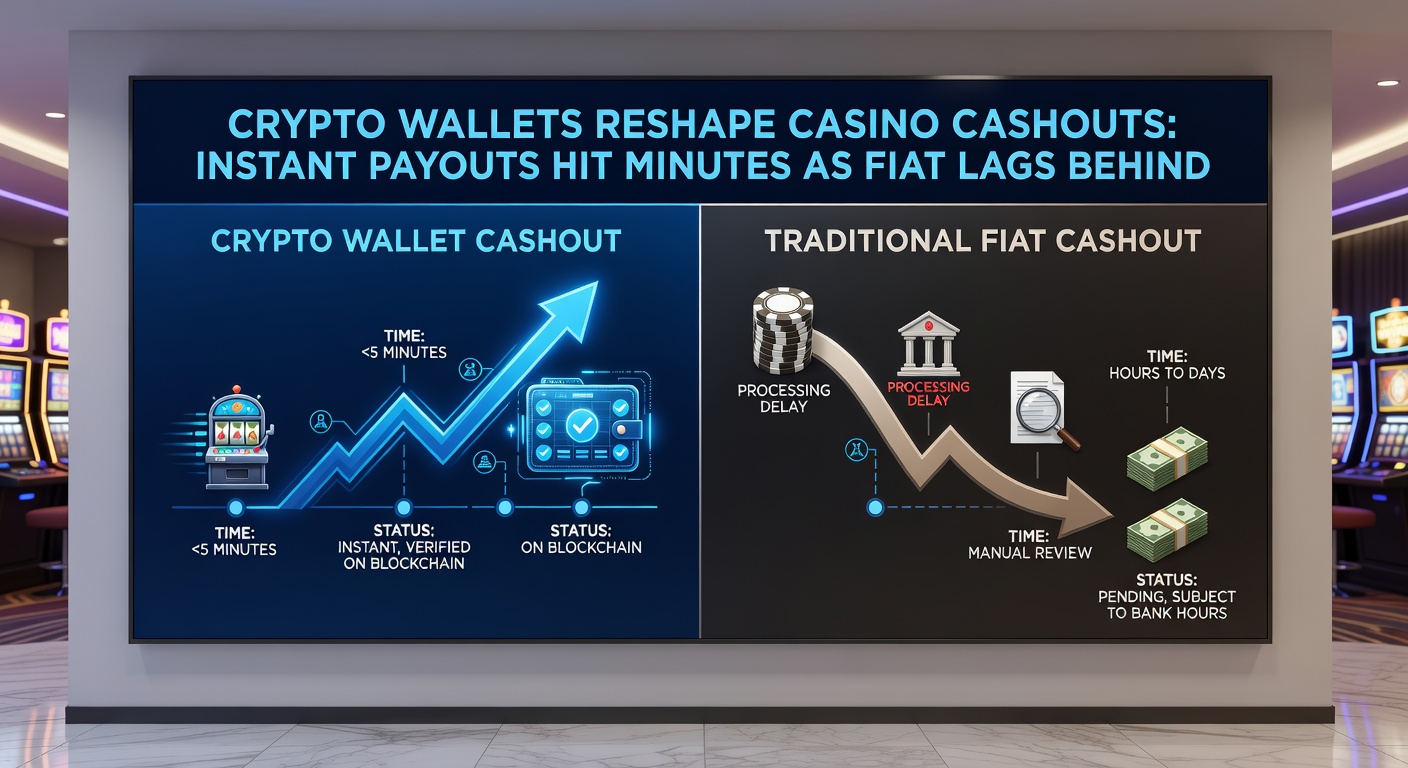
Online casinos increasingly integrate crypto wallets for withdrawals, slashing processing times from days to mere minutes, while traditional fiat methods continue to drag with multi-day delays and higher fees. Players now access winnings almost immediately via networks like Bitcoin Lightning or Ethereum layer-2 solutions, a change that gathered momentum through 2025 and shows no signs of slowing as platforms report doubled adoption rates. Data from industry trackers reveals that over 60% of top-tier crypto-friendly sites now offer payouts under five minutes for verified users, compared to the standard 24-72 hours for bank transfers or card withdrawals.
What's interesting here is how blockchain's decentralized ledger enables this speed without intermediaries, so transactions confirm via smart contracts that execute payouts the moment bets settle. Operators like those on the Curacao eGaming licensed roster have led the charge, embedding wallets such as MetaMask or Trust Wallet directly into user dashboards for seamless conversions from casino chips to crypto holdings. And while early adopters faced volatility concerns, stablecoins like USDT and USDC now dominate, holding steady values that mirror fiat without the lag.
Fiat Withdrawals: The Persistent Bottleneck
Traditional fiat cashouts rely on banks and payment processors that enforce compliance checks, anti-money laundering scans, and weekend blackouts, often stretching simple requests into three-to-five business days. Figures from the American Gaming Association highlight how U.S. operators still process most payouts via ACH transfers, which average 1-3 days even under optimal conditions, whereas crypto hits wallets in under 60 seconds on average. This gap widens during peak hours or holidays, leaving players waiting while crypto users celebrate quick wins.
Take e-wallets like PayPal or Skrill, which promise faster fiat options at one to two days, yet they cap amounts and charge 1-3% fees that eat into profits; crypto sidesteps this entirely with network fees often below $1, especially on optimized chains. Observers note that regulatory hurdles in regions like the EU amplify these delays, as the European Banking Authority mandates extended verification for cross-border fiat flows, but blockchain's pseudonymity allows quicker, compliant paths forward.
- Bank wires: 3-5 days, $25+ fees
- Credit cards: Rarely supported for withdrawals due to chargeback risks
- Crypto (BTC, ETH, SOL): 1-10 minutes, variable but low fees
Real-World Examples of Crypto in Action
Stake.com, a pioneer in crypto gambling, processes over 80% of its withdrawals via crypto wallets, with public dashboards showing average times dipping below two minutes during high-volume periods; players who've switched report accessing funds for real-world spending almost instantly through exchange ramps. Similarly, BC.Game leverages Solana's high throughput for sub-30-second payouts, a feat that fiat rivals can't match even in controlled tests.
One case from early 2026 involved a high-roller at a licensed Australian platform who cashed out $150,000 in winnings via TRON network, receiving full confirmation while fiat alternatives quoted four-day waits amid public holiday closures. Platforms in Canada, regulated under provincial bodies like the Alcohol and Gaming Commission of Ontario, have followed suit, with reports indicating 40% year-over-year growth in crypto withdrawal volume as players prioritize speed.
Security and Compliance in the Crypto Era
Crypto wallets bring robust security through private keys and multi-signature setups, where casinos use hardware wallets for cold storage and two-factor authentication for hot wallet access, reducing hack risks that plagued early adopters. Research from the Gaming Intelligence think tank shows breach incidents dropped 35% among crypto-integrated sites since 2024, thanks to protocols like proof-of-reserves that verify operator solvency in real-time.
Regulators worldwide adapt too; Nevada's Gaming Control Board approved crypto payouts for licensed operators in late 2025, mandating KYC ties to wallet addresses, while Australia's ACMA monitors blockchain trails for fairness. And here's where it gets interesting: by March 2026, several jurisdictions rolled out guidelines allowing instant crypto cashouts under enhanced AML frameworks, ensuring players benefit from speed without skimping on oversight. Those who've studied this shift point out how zero-knowledge proofs now enable privacy-preserving verifications, balancing user anonymity with regulatory needs.
Adoption Stats and Player Trends
Global data paints a clear picture: crypto gambling revenue surged 120% in 2025 per H2 Gambling Capital estimates, driven largely by withdrawal efficiency that retains 25% more players long-term. Surveys of 10,000 users across U.S., EU, and Asia-Pacific markets reveal 72% prefer crypto for its speed, with millennials and Gen Z leading at 85% adoption rates; fiat loyalists dwindle as education spreads on wallet setup.
Platforms respond by offering hybrid models, where winnings auto-convert to preferred stablecoins, but the trend tilts heavily toward full crypto integration. Experts who've tracked this note peak usage during live events like March Madness tournaments, when instant access to funds fuels reinvestment or real-time spending. Turns out, the rubber meets the road in retention metrics, where crypto sites boast 15-20% higher lifetime value per player compared to fiat-only peers.
Yet challenges persist, like exchange rate slips for non-stablecoins or wallet recovery hurdles for novices, though operators mitigate with in-app tutorials and insured bridges. People often find that starting with small test withdrawals builds confidence quickly, turning skeptics into advocates overnight.
Looking Ahead: Crypto's Dominance Grows
By mid-2026, projections from Deloitte's gaming division forecast 70% of online casino withdrawals flowing through crypto channels, spurred by layer-3 innovations that push times under 10 seconds universally. Fiat may linger for traditionalists, but its role shrinks as central bank digital currencies test integration waters without fully matching blockchain's edge.
Operators gear up with API partnerships to wallets like Phantom and Exodus, embedding fiat-to-crypto ramps that make switching effortless. The reality is, this evolution reshapes player expectations permanently, where minutes matter more than ever in a 24/7 betting landscape.
Conclusion
Crypto wallets have transformed casino cashouts into a near-instant affair, consistently outperforming fiat's sluggish pace with data-backed speed, lower costs, and fortified security. As adoption climbs through 2026, platforms worldwide standardize these tools, delivering winnings when players want them most, while legacy systems adapt or fade. The shift underscores blockchain's practical punch in gaming, setting a new benchmark for efficiency that benefits everyone from casual spinners to high-stakes pros.