Clusters Over Lines: Slot Mechanics Evolve Toward Explosive Symbol Groups
Written by Logan Schulz · Mar 25, 2026
Clusters Over Lines: Slot Mechanics Evolve Toward Explosive Symbol Groups
The Shift from Paylines to Clusters Begins
Traditional slot machines relied on fixed paylines—straight or zigzag paths across reels where matching symbols triggered wins—and developers stuck with this model for decades because players knew exactly what to expect, even as graphics sharpened and themes diversified. But here's the thing: around the mid-2010s, studios like NetEnt and Big Time Gaming started experimenting with cluster pays, a system where wins form from groups of adjacent symbols anywhere on the grid, no lines required, and this approach exploded in popularity because it opened up the entire playfield for potential payouts. Data from Agema's EGM Trends report shows cluster-based games now account for over 35% of new online slot releases in Europe and North America, up from less than 5% a decade ago, while land-based cabinets follow suit with hybrid designs.
And what drove this change? Simpler math for developers meant bigger grids—think 6x6 or 8x8 reels instead of 5x3—and players loved the chaos of symbols connecting in unpredictable ways, especially since cascades or avalanches often followed wins, clearing paid clusters and dropping new ones from above for chain reactions. Observers note how early hits like Aloha! Cluster Pays in 2016 paved the way, racking up millions in bets within months, and now clusters dominate because they fit mobile screens perfectly, allowing thumbs to tap anywhere without tracing lines.
How Cluster Mechanics Work Under the Hood
Clusters trigger when five or more identical symbols touch horizontally or vertically—diagonals sometimes count too, depending on the game—and payouts scale with group size, so a massive 20-symbol blob pays exponentially more than a tidy line of five. Developers layer on modifiers like multipliers that grow with each cascade, or wilds that expand to bridge gaps, turning ordinary spins into potential fireworks displays. Take one studio's data: in cluster slots, average hit frequency climbs to 25-30% versus 18-22% for line-based ones, according to figures from the Nevada Gaming Control Board's 2025 report on electronic gaming machines.
Yet clusters aren't just random blobs; algorithms ensure fairness through certified RNGs, and regulators in places like Ontario and New South Wales verify that exploding groups don't skew house edges beyond 4-6%. Players who've tested both systems often discover clusters feel faster-paced because every spin covers more ground, with tumbling reels keeping action rolling without constant button-mashing.
Explosive Symbols Take Clusters to the Next Level
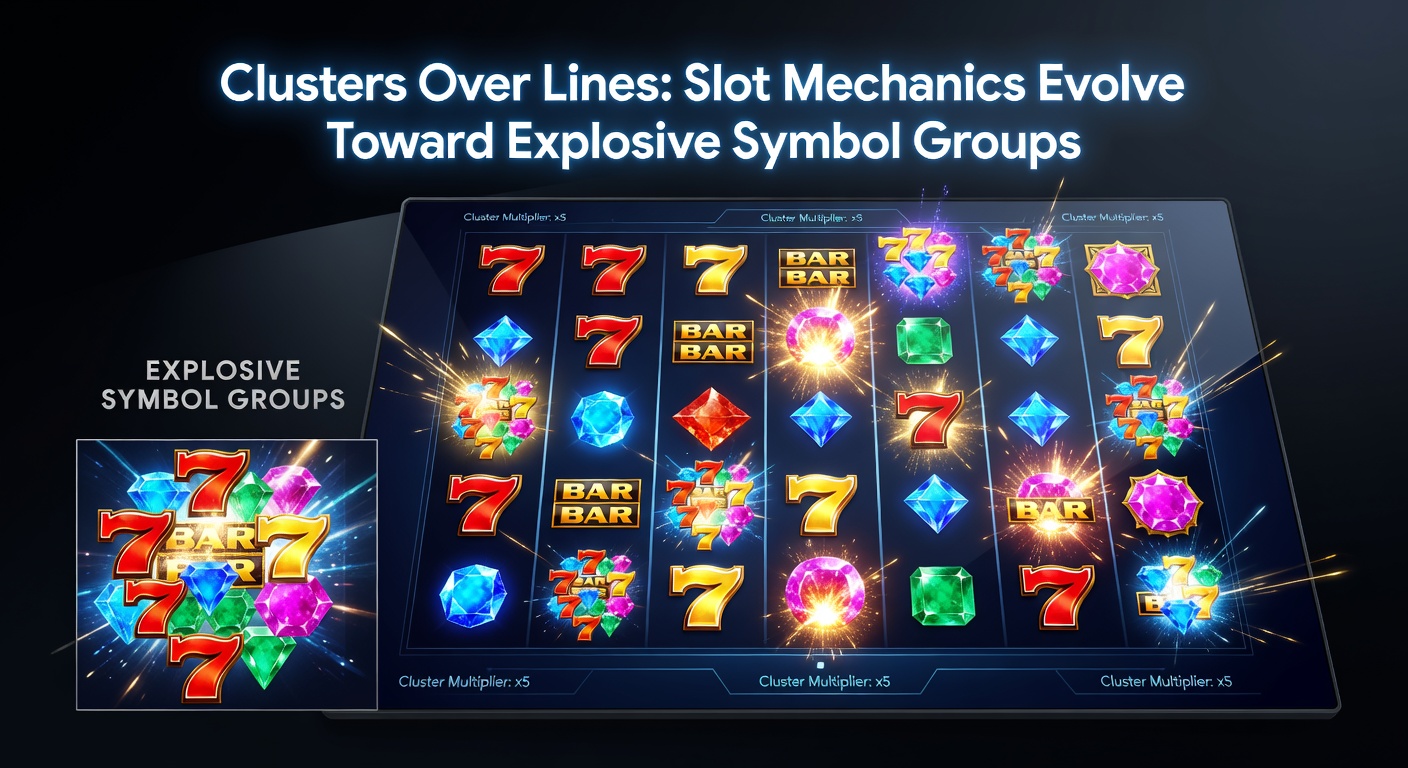
Now clusters evolve further with explosive symbols—think bombs, multipliers, or nukes that detonate on landing, obliterating neighbors to make room for fresh drops—and these features amp up volatility while capping max wins at 10,000x-50,000x stakes in top titles. Pragmatic Play's Sweet Bonanza, for instance, uses tumbling clusters with bomb multipliers up to 100x, and since launch, it has generated billions in gross gaming revenue across platforms, per industry trackers. What's interesting is how explosions chain: one blast clears space, triggers another cluster, and snowballs into sessions where players chase 100+ spin streaks without a dry spell.
Researchers at the University of Malta's iGaming Institute analyzed 2024 data and found explosive cluster games boost session length by 18% compared to line slots, as the visual pops—fireworks, shards flying—hook attention better than static lines lighting up. And in land-based venues, cabinets like IGT's Prosperity Link Pearl Link employ similar mechanics, where symbol groups link across linked progressives for shared jackpots, drawing crowds because the explosions sync with lights and sounds for theater-like drama.
Key Providers Pushing the Cluster Envelope
Relax Gaming leads with Money Train series, where cluster-ish holds and respins explode into heists of cash symbols stacking wildly, and their 2025 releases tease 10x10 grids with nitro boosts that vaporize low-payers. Hacksaw Gaming jumps in too, crafting cube-based clusters in Wanted Dead or a Wild that morph and explode for bounty hunts, hitting RTPs around 96.5% while volatility rides high. Meanwhile, Nolimit City distorts grids with xWays and xNudge explosions, splitting symbols to fill clusters instantly, and titles like San Quentin xBomb rack up cult followings for their brutal potential.
But land-based isn't left behind; Aristocrat's Dragon Link series uses hold-and-spin clusters that explode into orbs, fueling progressives that paid out $1.2 billion globally in 2024 alone, according to operator reports. So even as online surges ahead, physical floors retrofit with cluster hybrids to keep pace, blending nostalgia with modern blasts.
Data Dives: Why Players and Operators Love the Boom
Figures reveal clusters slash dead spins—hit rates double in many cases—and player retention jumps 22%, per a 2025 Eilers & Krejcik Gaming study on US iGaming. Operators report 15-20% higher coin-in on cluster floors versus legacy lines, especially in high-limit rooms where explosions justify $10+ bets. And mobile? Clusters shine there, with 70% of sessions under five minutes but packing more thrills, as swipe-friendly grids suit on-the-go play.
Take one case: a Canadian casino chain swapped 40% of its floor to cluster cabinets in 2024, and quarterly revenue climbed 12%, while repeat visits rose because word spread about those epic chain reactions. Experts observe how this ties into broader trends—simpler rules draw casuals, explosions thrill high-rollers—and by March 2026, projections from Sweden's Spelinspektionen forecast clusters in 50% of new EU licenses, signaling regulators greenlight the shift as long as safeguards like loss limits stay firm.
Challenges and Safeguards in the Cluster Era
Not everything's smooth; explosive features can lead to boom-bust cycles, so bodies like Australia's ACMA mandate session reminders and reality checks pop up mid-explosion chains to curb overplay. Developers counter with buy-features locked behind affordability checks, ensuring clusters entertain without entrapment. And volatility? Tunable now—low-end clusters for steady drips, high-end for lottery shots—letting operators tailor floors precisely.
Those who've studied retention metrics note how clusters reduce frustration from misaligned lines, yet explosions demand bankrolls 20-30% beefier, a trade-off players accept for the ride.
Looking Ahead: March 2026 and Beyond
By March 2026, expect 7x7 megagrids with quantum explosions—symbols phasing in/out via AI-driven patterns—and cross-platform linking where online clusters feed land-based jackpots in real-time. Studios like Play'n GO tease holographic clusters for VR slots, where groups pulse in 3D space before bursting, and data suggests this fusion could double engagement as mixed-reality headsets hit casinos. Turns out, the evolution from lines to explosive groups isn't slowing; it's accelerating, reshaping how wins land one blast at a time.
Conclusion
Clusters have overtaken lines because they deliver denser action on bigger canvases, with explosions turning grids into win factories that keep players locked in longer and operators counting higher revenues. From early NetEnt experiments to 2026's megacluster frontiers, the mechanics prove flexible, fair, and downright addictive in measured doses. Data backs the surge—higher hits, better retention, massive GGR—and as regulators adapt worldwide, explosive symbol groups stand as the new standard, where every spin holds the promise of chains that pay off big.