Cluster Mechanics Redefine Winning Combinations in Contemporary Slot Game Designs
Written by Avery Becker · May 19, 2026
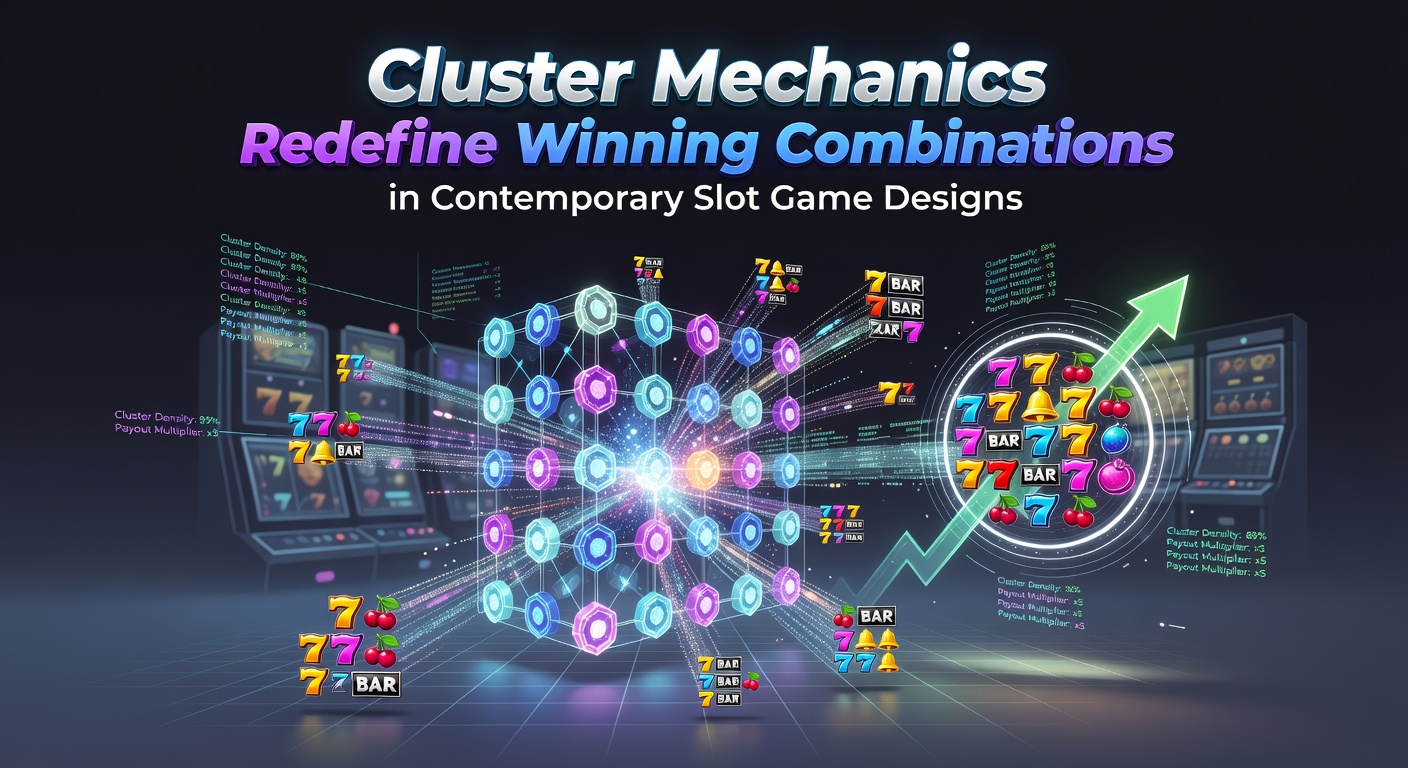
Cluster Mechanics Redefine Winning Combinations in Contemporary Slot Game Designs
Cluster mechanics have shifted how winning combinations form in slot games by replacing traditional paylines with grouped symbol clusters that trigger payouts when identical icons land adjacent in blocks of five or more; this approach has gained traction among developers seeking to create more dynamic reel interactions while maintaining regulatory compliance across multiple jurisdictions. Developers integrate these systems into titles where symbols cascade or explode after each win, allowing new icons to drop in and potentially build larger clusters within the same spin sequence.
Core Principles Behind Cluster Formation
Symbols activate payouts through spatial adjacency rather than alignment along fixed lines, and this change alters both game mathematics and visual feedback loops because clusters can expand horizontally and vertically across the grid. Research from industry analysts shows that cluster-based titles often feature grids ranging from 5x5 to 8x8 layouts, with some variants expanding during bonus rounds to accommodate bigger groupings. Observers note that the mechanic encourages repeated chain reactions, since each successful cluster removal brings fresh symbols that may connect with existing matches on the board.
Game studios adjust return-to-player calculations to account for the higher frequency of smaller clusters while reserving larger payouts for rare mega-clusters that span significant portions of the reels. Data collected by regulatory bodies in Nevada indicates steady adoption rates for cluster formats in both online and land-based environments through the first quarter of 2026, with operators reporting increased session lengths compared to classic payline structures.
Technical Implementation and Visual Design
Engineers program cluster detection algorithms that scan the grid after every reel stop, identifying connected groups using flood-fill techniques similar to those found in puzzle games. Animations highlight forming clusters with particle effects and color shifts, while audio cues escalate as groups grow larger, creating a feedback system that reinforces player attention during extended sequences. Many contemporary releases layer additional modifiers onto the base cluster system, including wild symbols that connect separate groups or multipliers that apply only when clusters reach specific size thresholds.

Those who have examined code structures note that developers must balance cluster frequency against volatility curves, ensuring that frequent small wins sustain engagement while infrequent large clusters deliver the high-value outcomes players seek. In May 2026 several major studios released updates that refined cluster detection speed, reducing lag between symbol drops and result displays to under 200 milliseconds on average across tested devices.
Market Adoption Patterns and Player Metrics
Operators across North America and Europe have integrated cluster mechanics into flagship portfolios because the format supports mobile-first interfaces with intuitive touch controls that highlight forming groups directly on screen. According to figures released by the American Gaming Association, cluster-pay titles accounted for approximately 28 percent of new slot releases in regulated markets during the twelve months ending April 2026. Players often encounter these games in both free-to-play social casino environments and real-money platforms, where the mechanic translates across device types without requiring major interface redesigns.
What's interesting is how geographic preferences influence feature weighting, with certain Asian markets favoring larger grid sizes that promote massive cluster formations while European audiences show stronger engagement with hybrid systems that blend clusters and traditional paylines. A study conducted through the University of Nevada, Las Vegas gaming research program found that average bet sizes remained consistent between cluster and line-based games, yet total spins per session increased notably when cascading features accompanied the core mechanic.
Regulatory Considerations Across Regions
Regulators evaluate cluster mechanics under existing random-number-generator standards, requiring independent testing laboratories to verify that cluster detection remains fair and that payout tables accurately reflect mathematical probabilities. Australian authorities have issued technical guidelines that address how expanding grids and cascading symbols must maintain consistent randomness throughout extended chain reactions. Compliance teams at major operators coordinate with these bodies to document edge cases where overlapping clusters might create ambiguous win scenarios, ensuring transparent resolution rules appear in game help screens.
One example involves titles that incorporate both cluster and scatter mechanics, where developers must clearly separate the two systems so players understand which symbols contribute to each type of payout. Industry organizations such as the European Gaming and Betting Association have published best-practice documents that help studios navigate these overlapping features while preserving player clarity.
Future Directions for Cluster Innovation
Developers continue experimenting with variable cluster sizes that change between base game and bonus modes, introducing fresh mathematical layers without complicating core rules. Integration with live dealer elements appears in select hybrid releases, where on-screen hosts narrate cluster formations during special events, bridging digital mechanics with real-time presentation. Projections shared in recent trade reports suggest continued expansion of cluster formats into branded content tied to popular media franchises, leveraging the visual clarity of grouped symbols to showcase thematic characters and environments more effectively.
Conclusion
Cluster mechanics have established themselves as a durable alternative to payline structures by emphasizing spatial grouping and chain reactions that refresh reel states multiple times per spin. Continued refinement of detection algorithms, combined with measured regulatory oversight from diverse jurisdictions, supports ongoing integration across global markets. Data trends through mid-2026 point toward sustained development investment in this area, with studios exploring further intersections between cluster systems and emerging technologies such as augmented reality overlays that could highlight potential groupings before spins resolve.