Cluster Mechanics Redefine Reel Dynamics in Modern Digital Slots
Written by Lars Hansen · Jul 26, 2026
Cluster Mechanics Redefine Reel Dynamics in Modern Digital Slots
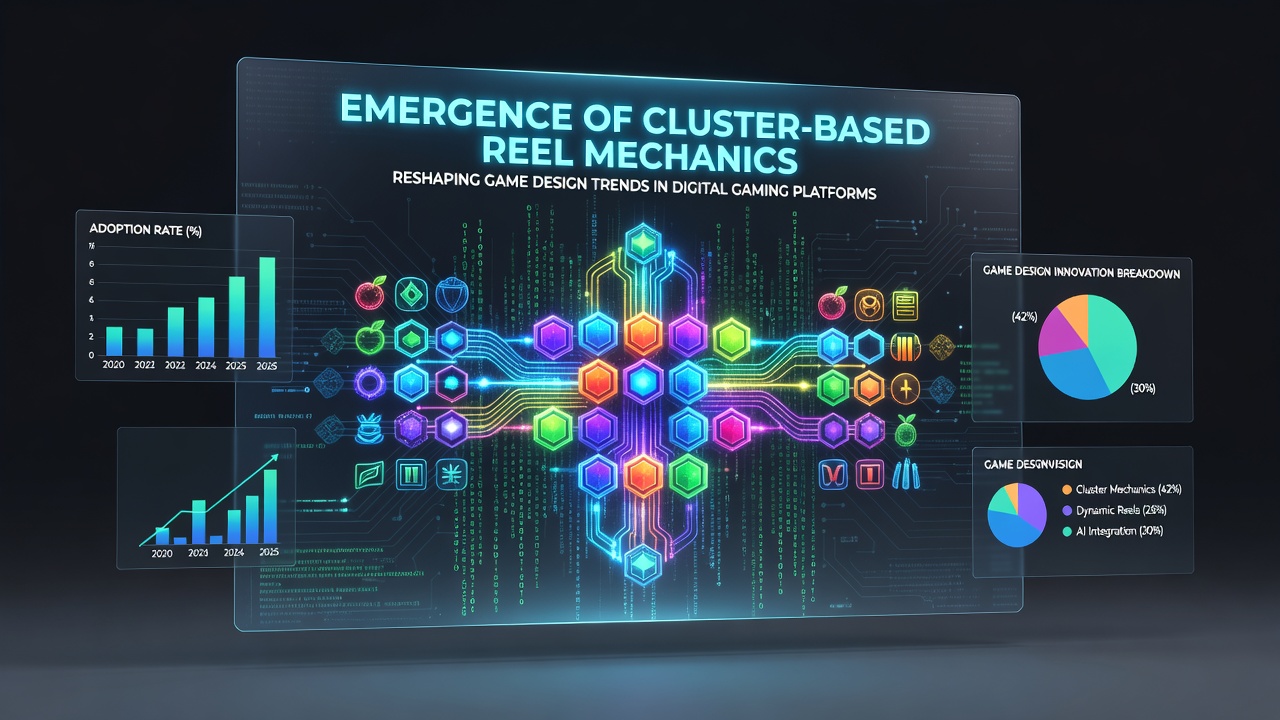
Digital slot platforms have shifted away from fixed paylines toward cluster-based reel mechanics that award wins when matching symbols appear in connected groups rather than along predetermined lines, and this change has accelerated as developers seek more fluid gameplay experiences that reward players through symbol adjacency instead of rigid alignments. Observers note that cluster systems create larger playing fields where symbols can form anywhere on the grid, which expands win potential and allows cascades to trigger repeatedly within a single spin sequence.
How Cluster Systems Operate on Digital Reels
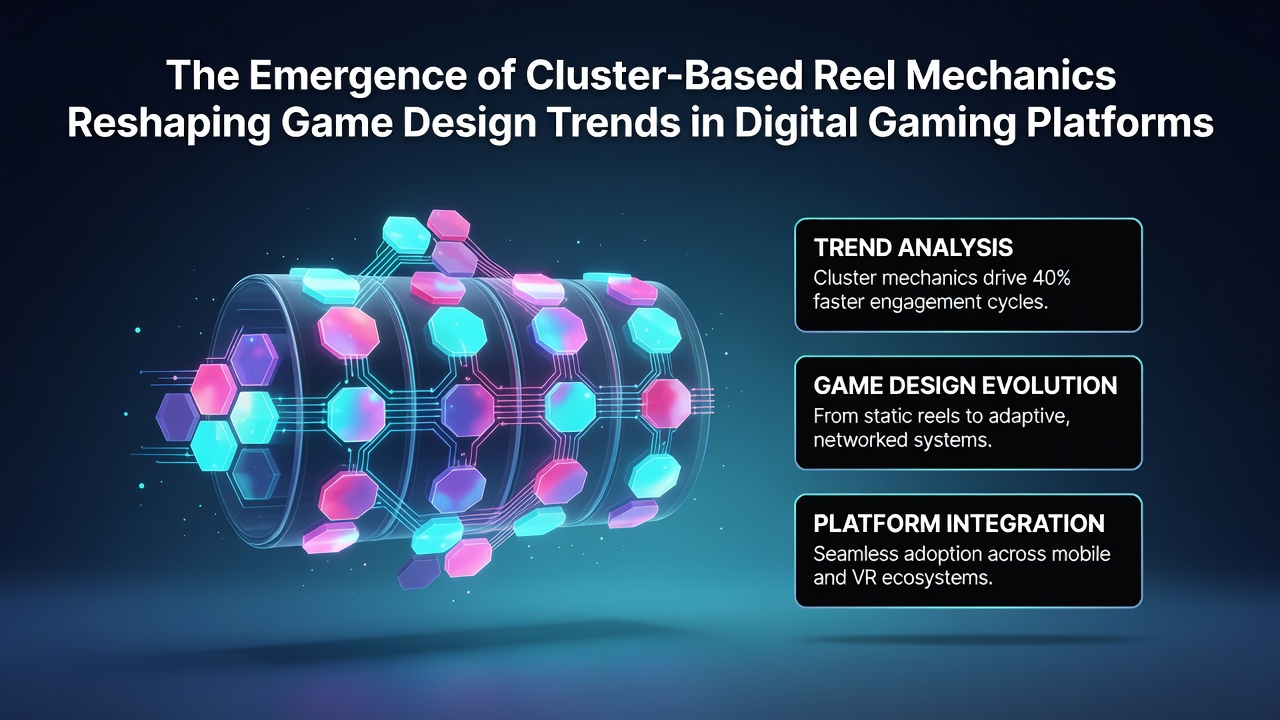
Cluster mechanics require groups of five or more identical symbols to connect horizontally or vertically, and once those groups form the symbols disappear so new ones fall into place while multipliers accumulate during extended cascades. Researchers at industry conferences have documented how this loop replaces traditional line evaluations with adjacency rules that keep reels active longer, and data from platform analytics firms indicates session durations increase when cascades chain together across multiple rounds. Game studios incorporate larger grid sizes such as 6x6 or 7x7 layouts to accommodate bigger clusters, while special symbols like wilds expand clusters further and bombs remove surrounding tiles to clear paths for new formations.
Design Adjustments Across Gaming Platforms
Platform operators have updated their backend systems to handle variable cluster calculations instead of static line checks, and this requires new random number generator calibrations that account for adjacency probabilities rather than fixed line hits. Those who've implemented the transition report smoother integration on mobile interfaces where touch gestures highlight forming clusters in real time, and visual effects emphasize explosions or collapses when groups vanish. External testing labs verify that payout distributions remain within regulatory thresholds even as hit frequency rises because cluster thresholds balance the increased opportunities with adjusted symbol frequencies.
What's interesting is how sound design adapts alongside the visuals, with layered audio cues that build during cascade sequences and reset only after the final cluster resolves. Developers collaborate with audio teams to ensure these layers do not overwhelm players during prolonged chain reactions, and user testing sessions reveal that subtle layering maintains engagement without fatigue. Regulatory bodies in several jurisdictions, including the Nevada Gaming Control Board, have reviewed cluster implementations to confirm fairness metrics align with existing standards for random outcomes.
Market Adoption and Platform Variations
Online casinos in Europe and North America have rolled out cluster titles at increasing rates since 2023, and reports from the American Gaming Association show a measurable uptick in titles featuring adjacency-based wins over the past two years. Mobile-first platforms prioritize cluster formats because the mechanic translates cleanly across screen sizes without requiring players to track multiple paylines, while desktop versions add overlay maps that display potential cluster zones during spins. Software providers release modular engines that let operators toggle between cluster and line modes within the same game shell, which reduces development costs and speeds deployment timelines.
Platform data indicates that cluster games often feature higher volatility ranges because big cluster formations deliver substantial payouts after longer dry spells, and players who prefer steady smaller wins still encounter frequent five-symbol clusters that maintain momentum. Studios adjust volatility curves through symbol distribution tables so that minimum clusters appear regularly while maximum clusters remain rare enough to preserve excitement.
Future Directions for Cluster Integration
Engineers continue refining cluster detection algorithms to support irregular shapes and diagonal connections, and these upgrades allow for more creative symbol interactions such as sticky clusters that persist across spins or expanding clusters triggered by bonus symbols. Integration with progressive systems lets cluster multipliers feed into shared prize pools, and platform operators monitor these linkages to ensure seamless synchronization across jurisdictions. Educational resources from game design programs now include modules on adjacency mathematics so new developers understand probability shifts compared with legacy line systems.
Conclusion
Cluster-based reel mechanics continue to gain ground on digital gaming platforms as operators and developers refine the format to balance player engagement with regulatory compliance, and the approach has already influenced grid sizes, payout structures, and visual presentation across major titles. As engines evolve and testing standards adapt, cluster systems stand positioned to coexist with traditional formats rather than replace them entirely.