Biometric Authentication Transforming Security in Remote Gambling Platforms
Written by Avery Becker · Jul 24, 2026
Biometric Authentication Transforming Security in Remote Gambling Platforms
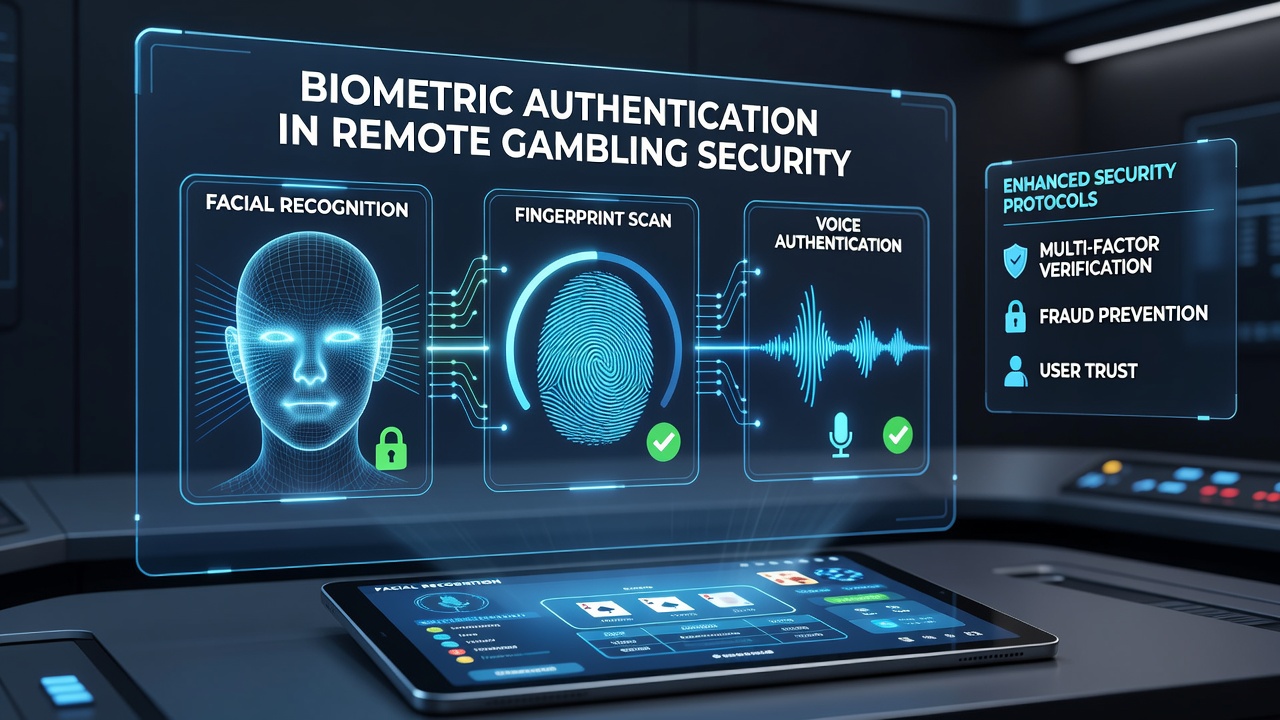
Remote gambling applications have incorporated biometric authentication to verify user identity through physiological traits such as fingerprints, facial features, and voice patterns, and these methods integrate directly with existing login systems to reduce unauthorized access attempts. Industry data shows that platforms adopting these technologies report fewer instances of account takeover compared with traditional password-only setups, while operators note that verification times drop significantly once users complete initial enrollment.
Core Biometric Methods in Use
Fingerprint scanning remains one of the most widely deployed options because sensors on modern smartphones capture ridge patterns quickly and match them against stored templates, and facial recognition follows closely by analyzing geometric points on a user's face through device cameras while voice biometrics process unique vocal frequencies during spoken phrases. Researchers at institutions such as the National Institute of Standards and Technology have documented accuracy rates exceeding 99 percent for fingerprint systems under controlled conditions, whereas facial algorithms continue to improve with three-dimensional mapping that accounts for lighting variations and minor changes in appearance.
Multi-factor combinations appear frequently in current deployments, so a gambling app might require both a fingerprint scan and a brief facial check before allowing high-value transactions, and this layered approach addresses limitations that arise when any single modality encounters environmental interference. Data from regulatory filings in multiple jurisdictions indicate that platforms using combined biometrics experience measurable declines in fraud-related chargebacks over successive reporting periods.
Security Protocol Integration
Remote gambling operators embed biometric checks at critical points including account registration, deposit approvals, and withdrawal requests, and these checkpoints operate alongside behavioral analytics that monitor session patterns for anomalies. When a device detects an unusual location or betting velocity, the system prompts an additional biometric confirmation rather than relying solely on one-time passwords, and this real-time response mechanism limits exposure windows that fraudsters typically exploit.
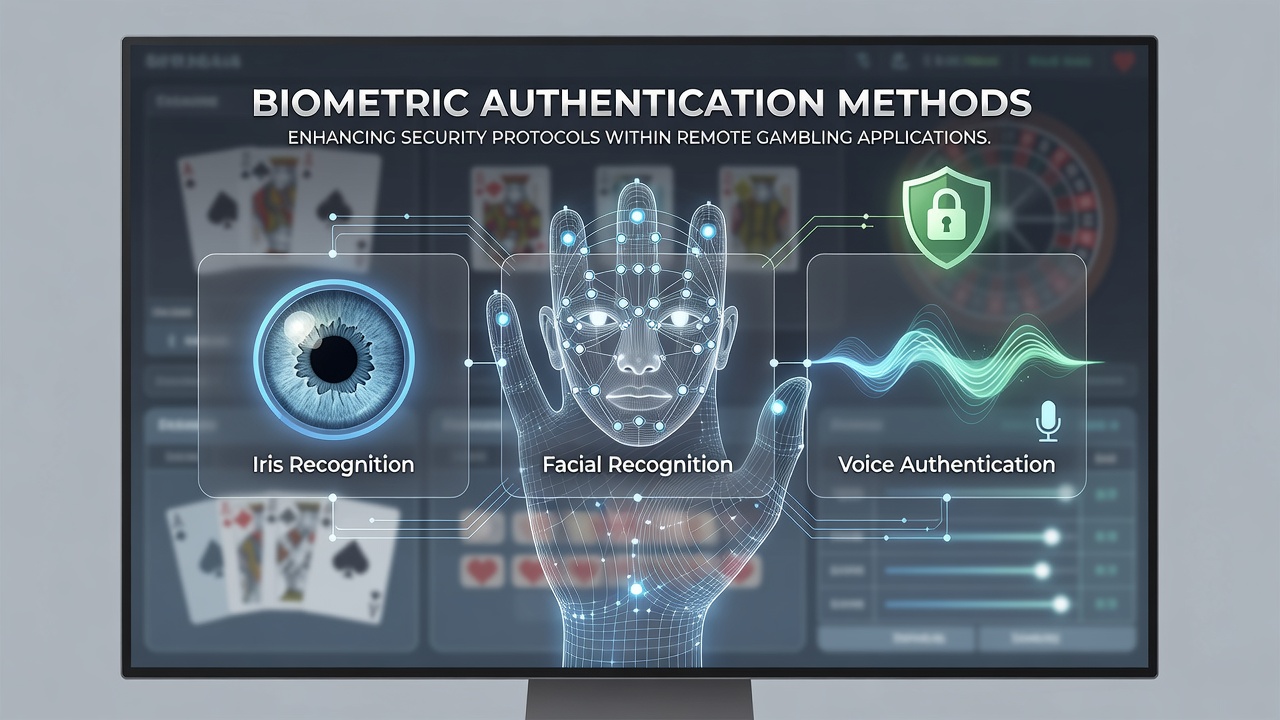
Compliance frameworks scheduled for full implementation by July 2026 emphasize continuous identity assurance, which encourages operators to adopt these technologies as standard practice across their user bases. Figures from European gaming oversight bodies reveal that jurisdictions with earlier biometric mandates recorded lower rates of underage access and self-exclusion breaches once systems became mandatory for high-risk activities.
Performance Data and Industry Examples
One operator in the Asia-Pacific region documented a 40 percent reduction in disputed transactions after rolling out facial recognition tied to live dealer tables, while a North American platform reported similar gains when voice verification replaced SMS codes for account recovery. Academic papers from university research groups highlight that template encryption techniques now store biometric data as irreversible mathematical representations, which prevents reconstruction even if databases face breaches.
Cross-border operators must navigate varying data-protection statutes, yet many align their systems with standards from the International Association of Gaming Regulators to maintain consistent security levels. Those who have studied implementation timelines note that enrollment friction decreases after the first successful verification, because subsequent logins complete in under two seconds on average.
Technical and Operational Considerations
Hardware compatibility plays a central role, so developers optimize algorithms for both flagship and mid-range devices to ensure broad accessibility, and cloud-based matching services handle the heavy computational load while keeping latency low during peak hours. Updates to matching thresholds occur periodically based on aggregated performance metrics, allowing systems to balance false rejection rates against security requirements.
Observers note that remote gambling applications increasingly pair biometrics with device attestation protocols that confirm the integrity of the operating system, and this combination further restricts attempts to spoof inputs through virtual machines or modified software. Reports compiled by research institutions in Canada and Australia document steady adoption curves across licensed operators following initial pilot programs.
Conclusion
Biometric authentication continues to expand within remote gambling environments as operators align with evolving regulatory expectations and seek measurable reductions in identity-related incidents. The integration of fingerprint, facial, and voice methods alongside behavioral monitoring creates layered defenses that adapt to emerging threats, and performance statistics from multiple regions support continued deployment ahead of the July 2026 compliance horizon. As template protection standards advance and device capabilities improve, these protocols form a core component of secure access management for digital wagering platforms worldwide.