Artificial Intelligence Refining Loyalty Mechanisms on Digital Wagering Sites
Written by Avery Becker · Jul 28, 2026

Artificial Intelligence Refining Loyalty Mechanisms on Digital Wagering Sites
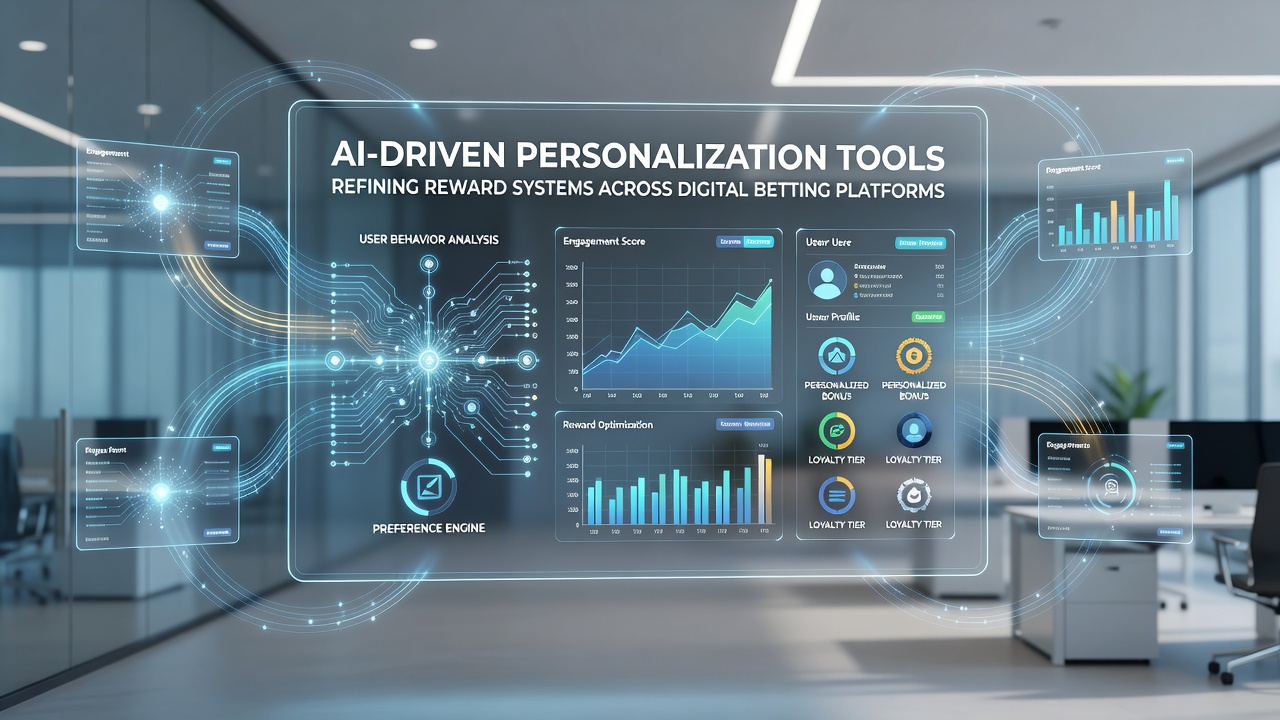
Digital betting platforms have integrated artificial intelligence systems that analyze player activity patterns to adjust reward structures in real time, and these tools draw from behavioral data collected across sessions to modify bonus offers and loyalty points distribution. Operators deploy machine learning models that segment users according to spending habits, game preferences, and session durations, which allows for the creation of individualized incentive packages rather than uniform promotions applied across entire user bases.
Core Technologies Driving Personalization
Supervised learning algorithms process historical transaction records alongside live interaction metrics to predict which reward types will maintain engagement levels, while reinforcement learning components test variations of offers within controlled segments and refine outputs based on response rates. Natural language processing modules scan player communications and feedback forms to incorporate qualitative signals into the data models, and this combination produces reward adjustments that align more closely with individual motivations than earlier static systems permitted.
Platforms report that these AI frameworks operate continuously, updating profiles after each bet or game round completes, and the resulting recommendations feed directly into automated marketing engines that deliver tailored messages through app notifications or email channels. Data from industry deployments shows processing speeds that handle millions of user records daily without manual intervention, which reduces the lag between observed behavior and reward delivery.
Implementation Across Major Markets
European operators have adopted these tools at scale following updates to data protection rules that clarified acceptable uses of anonymized behavioral information, whereas North American jurisdictions have seen gradual rollout tied to state-level licensing conditions that require transparency in algorithmic decision making. Australian platforms, regulated under different oversight frameworks, have incorporated similar systems to manage reward allocation while complying with local advertising standards that limit certain promotional tactics.
One case involved a mid-sized operator that linked its AI reward engine to an external analytics provider, resulting in measurable shifts in retention metrics after six months of deployment, and similar integrations appear in reports from multiple jurisdictions. Those who've studied adoption patterns note that smaller platforms often partner with specialized software vendors rather than building in-house capabilities, which accelerates implementation timelines.
Regulatory Context and July 2026 Developments
Preparations for compliance changes scheduled around July 2026 have prompted many platforms to audit their personalization algorithms for fairness and auditability, and these reviews focus on ensuring that reward tailoring does not inadvertently create unequal access to bonuses across demographic groups. Government agencies in several regions have issued guidance documents outlining documentation requirements for algorithmic processes, which encourages operators to maintain detailed logs of model training data and decision pathways.
Industry associations have responded by developing voluntary standards that address bias detection and player consent mechanisms, and these frameworks complement existing rules rather than replace them. Observers note that platforms investing in explainable AI features gain advantages during licensing renewals because regulators can review the logic behind reward allocations more easily.
Impact on Player Behavior and Platform Metrics
Studies conducted by academic researchers at institutions such as the University of Nevada have examined how personalized rewards influence session length and deposit frequency, and findings indicate correlations between tailored incentives and sustained activity levels when compared against generic bonus structures. A separate analysis from the European Gaming and Betting Association highlighted aggregate data showing reduced churn rates among users receiving algorithmically matched offers.
Yet the same research also flags instances where overly aggressive personalization triggered player fatigue, which prompted some operators to introduce cooling-off features that temporarily pause reward suggestions. These adjustments demonstrate how feedback loops within the AI systems themselves help calibrate intensity to avoid diminishing returns.
Technical Challenges and Solutions
Data quality remains a primary concern because incomplete or inconsistent player records can degrade model accuracy, and platforms address this through regular cleansing routines combined with multi-source verification. Scalability issues arise during peak traffic periods, yet cloud-based infrastructures with distributed computing resources have mitigated bottlenecks according to technical reports from deployed systems.
Security protocols encrypt behavioral datasets both in transit and at rest, while access controls limit exposure to authorized personnel only, and these measures align with broader cybersecurity expectations in the sector. Integration with legacy backend systems sometimes requires custom middleware layers, which adds development costs but enables older platforms to participate in the shift toward dynamic rewards.
Conclusion
Artificial intelligence continues to reshape how digital betting platforms structure rewards by replacing one-size-fits-all approaches with data-informed personalization that responds to individual patterns, and ongoing regulatory preparations around July 2026 reinforce the need for transparent and auditable systems. Platforms that maintain robust data governance alongside these tools position themselves to meet both operational goals and compliance expectations across varied jurisdictions.