Africa's Mobile Gambling Surge: Operators Ride Smartphone Boom to Massive Growth
Written by Lars Hansen · Apr 12, 2026
Africa's Mobile Gambling Surge: Operators Ride Smartphone Boom to Massive Growth
Smartphone Penetration Sparks Unprecedented Access
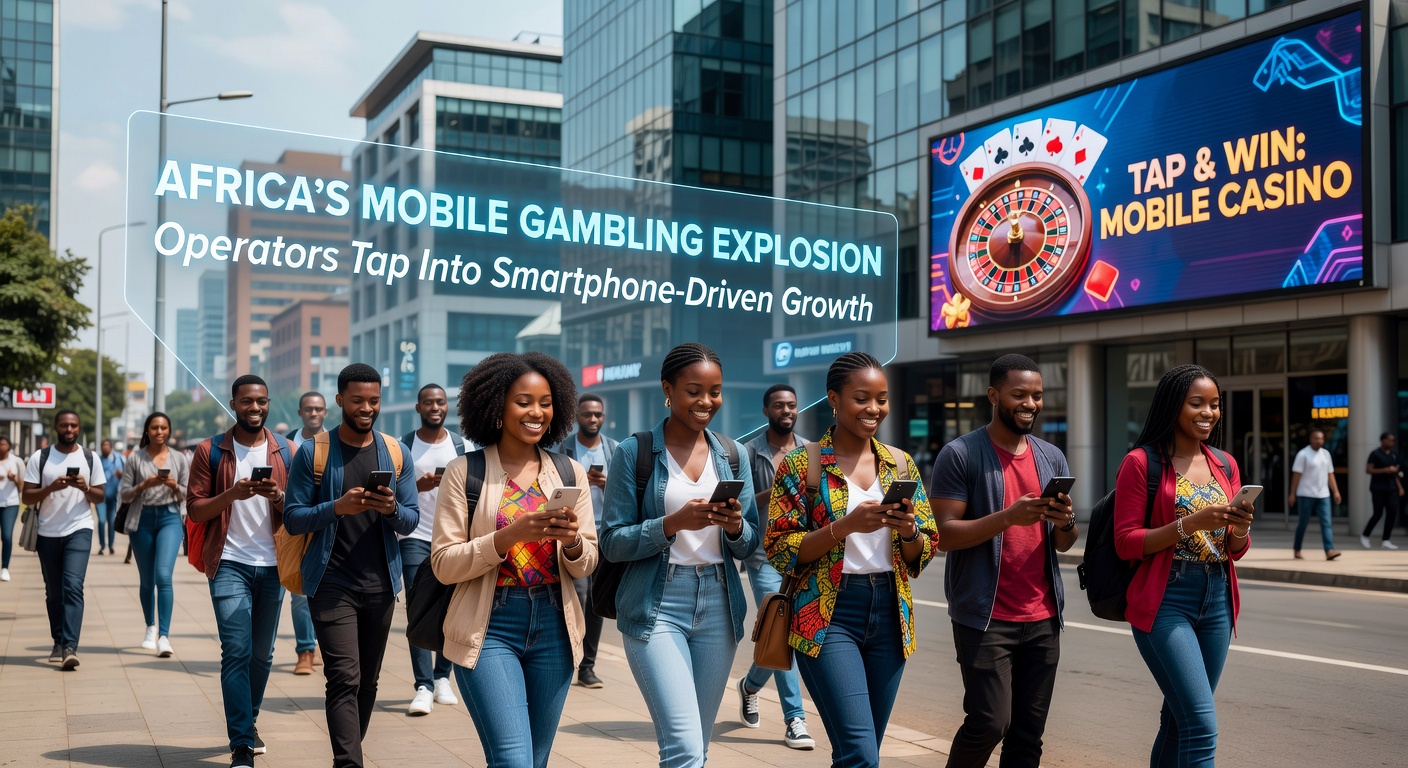
Africa's mobile landscape has transformed dramatically over the past decade, with smartphone adoption surging from around 20% in 2016 to over 50% by April 2026, according to GSMA's Mobile Economy Sub-Saharan Africa 2025 report; this shift opens doors for gambling operators who now reach millions through pocket-sized platforms, while cheap data plans and affordable Android devices fuel daily engagement across urban and rural divides.
Take Nigeria, where active mobile subscriptions hit 220 million by early 2026; data reveals that 70% of these users access the internet via smartphones, turning betting apps into everyday tools for sports fans and casual players alike, since operators like Bet9ja and SportyBet optimize their interfaces for low-bandwidth environments that keep users spinning slots or placing wagers without frustrating lags.
And in Kenya, M-Pesa's seamless integration with gambling platforms has created a perfect storm; transactions flow instantly, so players deposit via mobile money and jump straight into virtual sports or live casino games, with figures showing a 45% year-on-year increase in mobile gambling revenue during 2025.
Key Markets Where the Action Heats Up
South Africa stands out as a powerhouse, boasting regulated online gambling since 2010; here, operators such as Hollywoodbets and Betway dominate with mobile-first strategies that capture 60% of total wagers, while smartphone ownership among adults reached 75% by April 2026, per industry trackers, enabling features like in-play betting on local soccer leagues that keep engagement sky-high.
But here's the thing: Ghana and Tanzania emerge as fast risers too, where unlicensed apps thrive amid regulatory gaps; in Ghana, mobile betting volume doubled between 2024 and 2026, driven by youth demographics who favor quick-win crash games and aviator-style titles, although authorities push for tighter controls to curb underage access.
Observers note how Egypt's grey market adds intrigue, with VPN-enabled apps bypassing blocks; local data indicates over 10 million active users by mid-2026, mostly on smartphones, since iGaming firms localize content with Arabic interfaces and popular payment gateways like Fawry that mirror the continent's cash-to-digital transition.
Operators Pivot to Capture the Mobile Wave
International giants like Flutter Entertainment and Kindred Group pour resources into Africa, launching tailored apps that support Swahili, Zulu, and Yoruba languages; these platforms boast lightning-fast load times on 4G networks, so users in Lagos or Nairobi experience seamless sessions whether chasing jackpots on adapted slots or betting on Premier League matches.
Local players adapt quickest though; Nigeria's BetKing integrates airtime top-ups as deposits, a game-changer for the unbanked masses who now gamble without traditional accounts, while Kenya's Betika rolls out zero-data promotions that eliminate costs for first-time users, sparking viral growth through social shares.
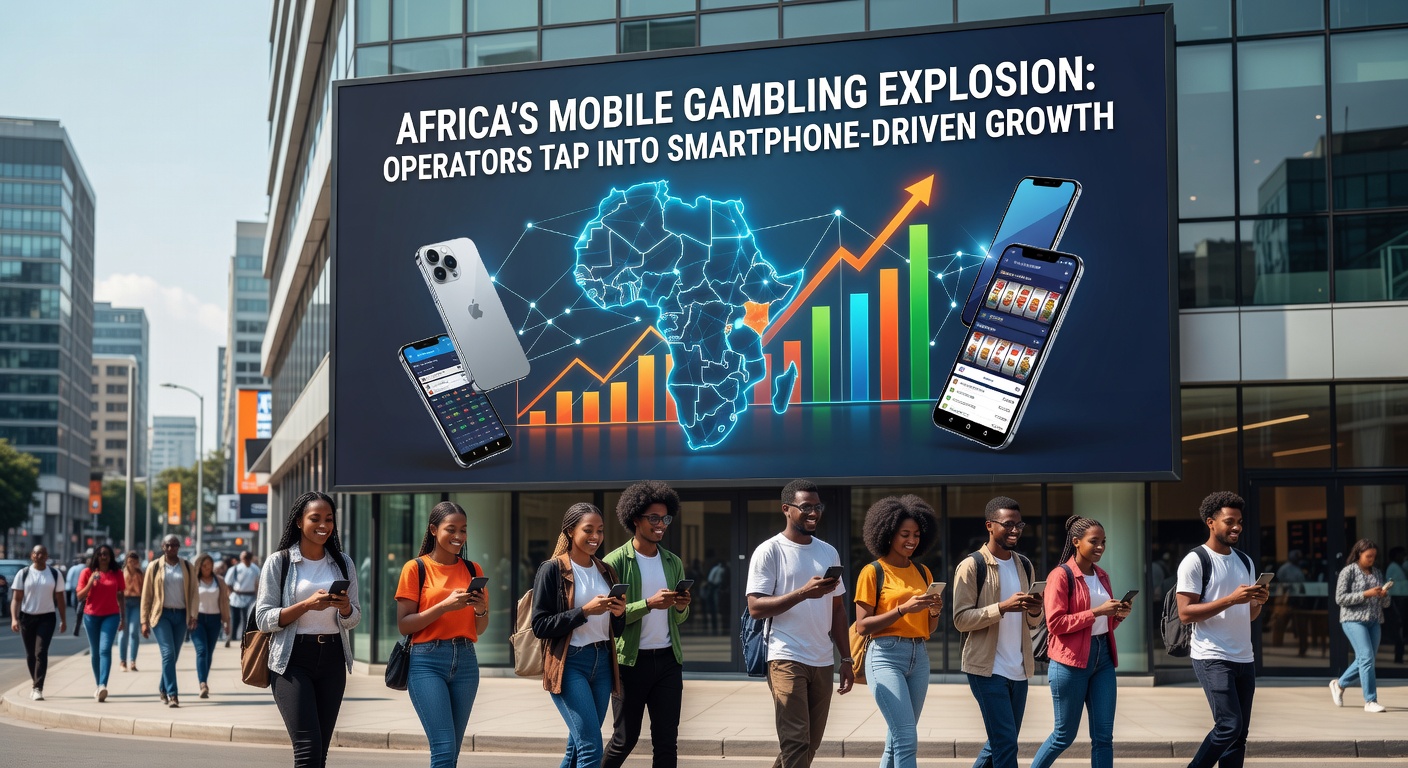
What's interesting is the tech stack: operators leverage cloud gaming to deliver live dealer tables on sub-10Mbps connections, and AI-driven personalization pushes notifications for high-RTP games based on past plays; one study from Newzoo's 2025 Global Games Market Report highlights how Africa's iGaming sector grew 28% annually, outpacing global averages, because mobile exclusivity accounts for 85% of all activity.
Games That Hook Mobile Users
Sports betting leads the pack, claiming 65% of mobile gross gaming revenue across Africa; soccer dominates, with apps offering micro-bets on corners or cards that thrill fans during CAF Champions League ties, yet slots follow closely at 25%, featuring African-themed titles like Safari Riches or Zulu Gold that resonate culturally while packing volatile mechanics for big-win potential.
Crash games explode in popularity too, especially among Gen Z; titles like Spaceman or JetX deliver heart-pounding decisions in seconds, so players in Accra cash out at 2x multipliers routinely, and live casino adaptations bring roulette wheels to feature phones via simplified streams.
Turns out, gamification seals the deal: daily challenges, leaderboards, and loyalty spins keep retention rates above 40%, higher than desktop eras; experts who've analyzed user data point to push notifications as the secret sauce, since they boost return visits by 30% on average.
Navigating Regulations and Risks
Regulatory frameworks vary wildly, creating both opportunities and hurdles; South Africa's National Gambling Board enforces strict licensing with mobile audits, ensuring operators verify ages via national ID scans, while Nigeria's National Lottery Regulatory Commission clamped down in 2025 with a tax hike to 7.5% on gross wins, prompting some exits but spurring compliance among survivors.
In Kenya, the Betting Control and Licensing Board mandates responsible gambling tools like deposit limits and self-exclusion, yet enforcement lags in rural areas where feature phones run lite apps; data from early 2026 shows problem gambling rates at 5-7%, comparable to Europe, so campaigns via SMS educate users on risks.
Challenges persist though: fraud via fake apps drains millions annually, and poor connectivity strands players mid-session; operators counter with offline caching for bet slips and blockchain for transparent payouts, although cybersecurity threats loom large in this high-growth frontier.
Future Trajectories and Projections
Projections paint a rosy picture: H2 Gambling Capital forecasts Africa's mobile gambling market to hit $5 billion by 2028, up from $1.8 billion in 2025, fueled by 5G rollouts in major cities and fintech expansions like Rwanda's mobile money surge; 6G experiments in South Africa hint at immersive VR casinos on phones, while cross-border mergers consolidate power among top operators.
Yet sustainability matters: initiatives from the Pan African Gaming Association promote fair play standards, and governments eye sin taxes to fund social programs; one case saw Uganda's lottery regulator partner with telecoms for age-gated app stores, slashing illegal access by 40% in pilot zones.
People who've tracked this boom often discover that partnerships drive innovation; for instance, MTN's data bundles tied to verified gambling sites exploded user bases in Ghana, proving the rubber meets the road when telcos and iGaming align.
Conclusion
Africa's mobile gambling explosion reshapes the global industry, as smartphone ubiquity empowers operators to tap underserved populations with localized, frictionless experiences; data underscores sustained growth through 2030, provided regulations evolve alongside tech advancements, while the continent's young, tech-savvy demographic ensures betting stays woven into daily digital life, from Nairobi streets to Johannesburg high-rises.
That's where the real story unfolds: operators who master mobile-first strategies, navigate regs smartly, and prioritize user safety will lead this vibrant market, turning Africa's connectivity leap into a goldmine of opportunity.