Adaptive Reward Algorithms Reshape Bonus Structures as Platforms Prioritize Sustainable Engagement Over Short-Term Incentives
Written by Logan Schulz · Jun 14, 2026
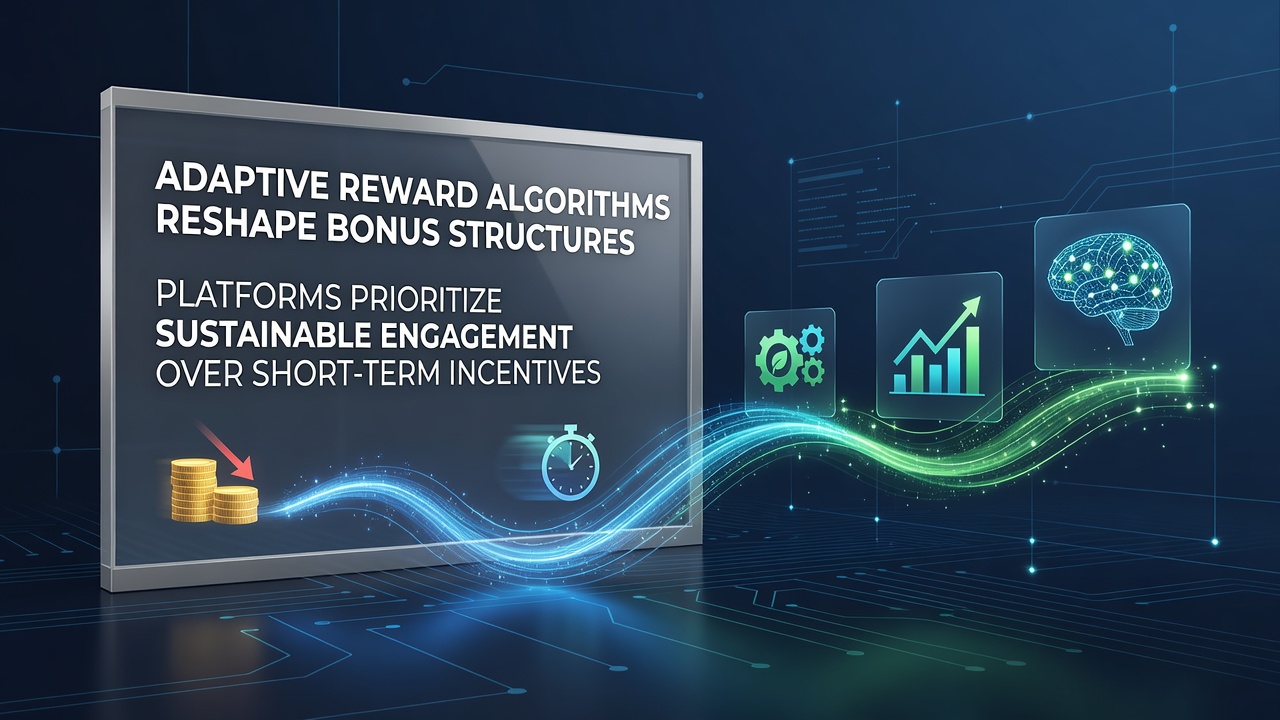
Adaptive Reward Algorithms Reshape Bonus Structures as Platforms Prioritize Sustainable Engagement Over Short-Term Incentives
Platforms across the digital entertainment sector have begun deploying adaptive reward algorithms that adjust bonus structures in real time based on individual user behavior patterns and long-term engagement metrics, and this shift marks a departure from traditional fixed incentive models that once emphasized immediate rewards. Data from multiple industry reports indicate that operators now integrate machine learning systems capable of analyzing session frequency, spending velocity, and retention curves to recalibrate offers dynamically rather than relying on static welcome bonuses or deposit matches.
Core Mechanics Behind Algorithmic Adjustments
These algorithms process variables including time since last deposit, game type preferences, and interaction depth before determining whether to extend a bonus, modify its value, or withhold it entirely, while operators report that such personalization stems from requirements set by regulatory frameworks in regions like the United States and Australia. Researchers at institutions including the University of Nevada, Las Vegas have documented how these systems reduce over-distribution of incentives by tying rewards to measurable sustainability indicators instead of one-time acquisition goals, and the approach allows platforms to maintain player activity across extended periods without inflating short-term costs.
Implementation Timelines and Regional Variations
By June 2026 several major operators had completed phased rollouts of these adaptive frameworks, with North American platforms leading adoption rates according to data compiled by the American Gaming Association, whereas European entities followed at a measured pace due to differing compliance standards. The algorithms typically operate through tiered logic that escalates reward complexity as user tenure increases, for example converting a basic free spin allocation into loyalty point multipliers once certain engagement thresholds are met, and this method has produced documented increases in average session duration across tested cohorts.
One study released by the National Council on Problem Gambling highlighted correlations between algorithm-driven bonuses and lower rates of rapid deposit escalation, suggesting that real-time moderation helps align incentives with sustained participation rather than accelerated spending cycles. Platforms integrate feedback loops that update models weekly using anonymized behavioral datasets, which allows for continuous refinement without manual intervention from marketing teams.
Impact on Player Retention Metrics
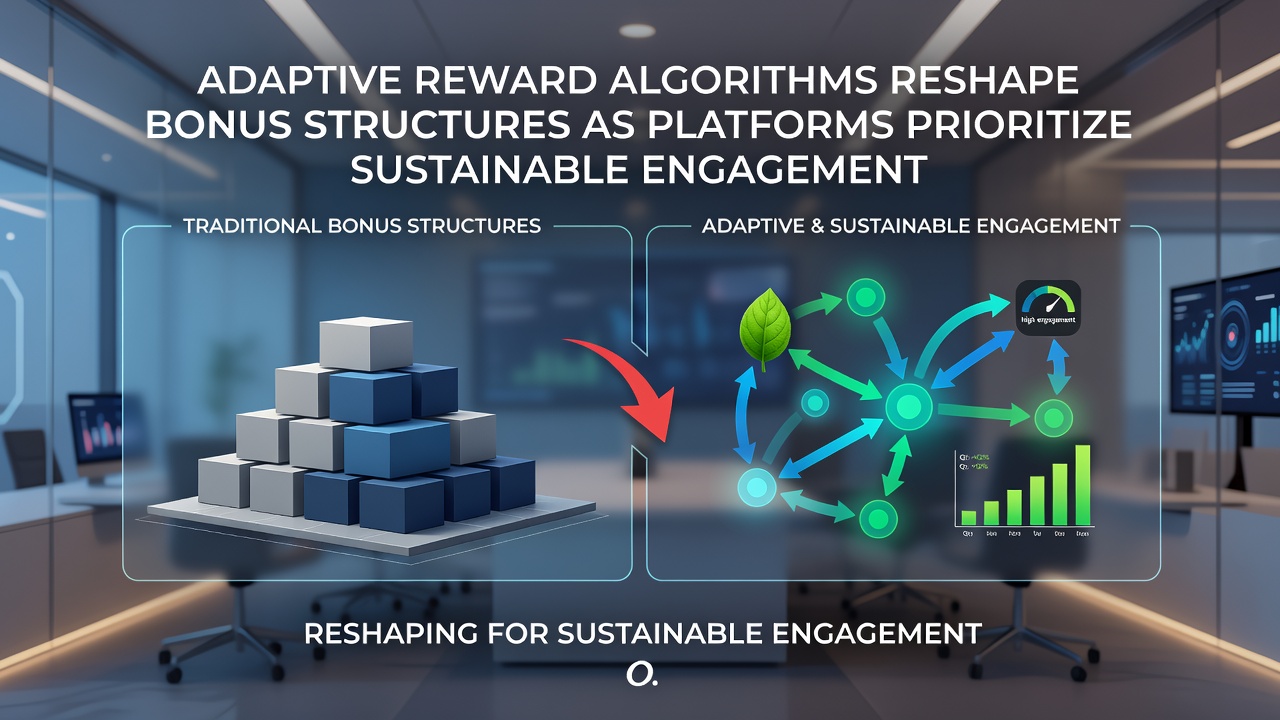
Retention statistics compiled after the June 2026 implementations reveal that users exposed to adaptive structures exhibited 18 to 27 percent longer average lifetimes on platforms compared with control groups receiving conventional bonuses, according to findings published through the International Centre for Gaming Regulation. These gains appear most pronounced among mid-tier players whose activity levels previously fluctuated, as the algorithms detect early signs of disengagement and trigger targeted micro-rewards such as personalized cashback percentages or milestone-based free credits. Observers note that the transition has prompted operators to revise key performance indicators away from first-deposit conversion rates toward metrics like monthly active user consistency and lifetime value projections.
Case examples include a North American operator that restructured its entire bonus catalog around predictive modeling, resulting in a measurable decline in bonus abuse incidents while maintaining overall revenue stability, and similar patterns emerged in Australian markets where state-level oversight encouraged experimentation with engagement-focused designs. The systems often incorporate external data points such as time-of-day preferences and device usage to further tailor delivery timing, which enhances perceived relevance without increasing total reward expenditure.
Technical Architecture and Data Inputs
Adaptive reward engines typically combine supervised learning models trained on historical retention data with reinforcement learning components that optimize for long-horizon outcomes, and these architectures draw input from sources including transaction logs, gameplay telemetry, and survey responses collected through in-app prompts. Industry organizations like the World Lottery Association have published technical briefs outlining best practices for ensuring algorithmic transparency, particularly when operators must demonstrate fairness during audits conducted by bodies such as the Nevada Gaming Control Board. Integration with existing customer relationship management platforms occurs through API endpoints that enable seamless updates, allowing marketing departments to monitor aggregate trends while the algorithm handles individual determinations autonomously.
What's notable is the way these platforms now segment audiences into dynamic cohorts that evolve weekly rather than remaining fixed, which permits more granular control over incentive distribution and reduces the risk of saturating high-value users with redundant offers. Data indicates that operators allocating at least 40 percent of their bonus budgets to algorithmic systems achieved higher efficiency ratios, measured as reward cost per retained user, compared with those maintaining legacy approaches.
Future Trajectories in Algorithmic Incentive Design
Developments expected beyond June 2026 include deeper incorporation of biometric and contextual signals into reward calculations, although current implementations remain limited to behavioral and transactional inputs for privacy compliance reasons. Academic papers from institutions such as the University of Sydney's Gambling Treatment and Research Centre have begun examining how these algorithms might interact with emerging responsible gaming tools, including voluntary limit-setting features that adjust bonus eligibility automatically. Platforms continue to refine their models using A/B testing frameworks that isolate specific algorithmic variables, and results from these experiments feed back into broader industry standards developed through collaborative working groups.
Regulatory and Operational Considerations
Regulators in multiple jurisdictions now request documentation of algorithmic decision trees during licensing renewals, which has encouraged developers to build audit trails that record every reward adjustment and its underlying rationale. This documentation requirement aligns with broader trends toward accountability in automated systems, and operators report that compliance investments have yielded secondary benefits in the form of improved internal analytics capabilities. The shift also influences partnership structures between platforms and game providers, as content creators adapt titles to support variable reward triggers that align with algorithmic preferences for certain engagement patterns.
Conclusion
Adaptive reward algorithms have established themselves as central components in how digital platforms manage bonus structures, with evidence pointing to sustained improvements in engagement duration and reduced incentive waste across implemented markets. Continued refinement through data-driven iteration suggests these systems will expand in scope as more operators adopt similar frameworks, and cross-regional comparisons will likely shape best practices for balancing personalization with regulatory expectations. The focus on sustainable metrics over short-term spikes represents a structural evolution that aligns operational incentives with longer player lifecycles, supported by ongoing research and technical advancements.